


The Hidden Cost of Business Travel
Every business trip has a price the finance team can see: the flight, the hotel, the taxi. Our research into the state of corporate travel in the UK points to a second bill — one that rarely reaches a spreadsheet.
It is the money employees quietly cover themselves, the productive hours lost to a poorly-supported journey, and the toll it takes on the people a business depends on most.
Here is what the data shows.
Your travel policy has a gap,
and your people are paying for it
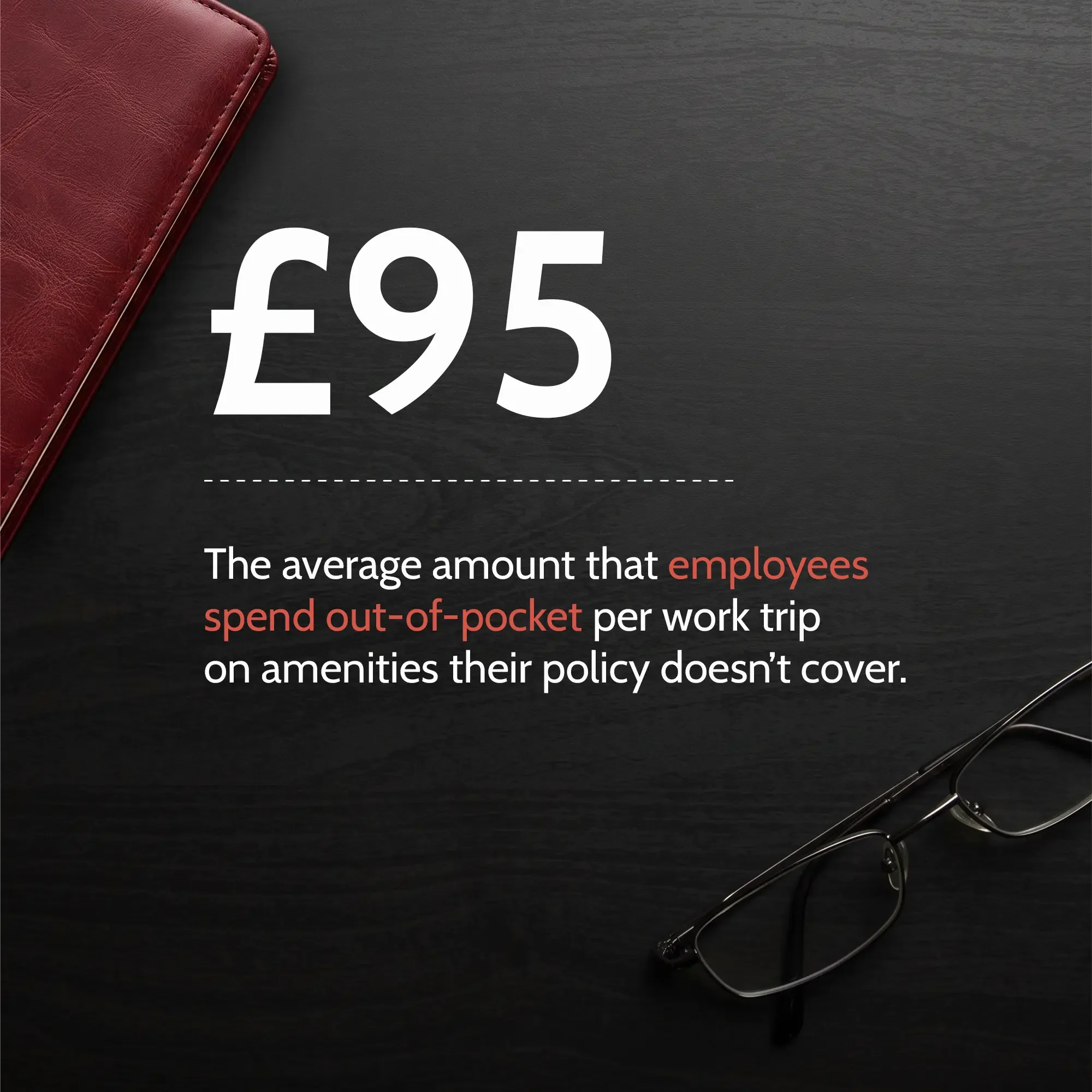
£95
the average spend out of pocket per work trip
27%
have underperformed on a trip due to travel stress
25%
of companies have cut or restricted business class
48%
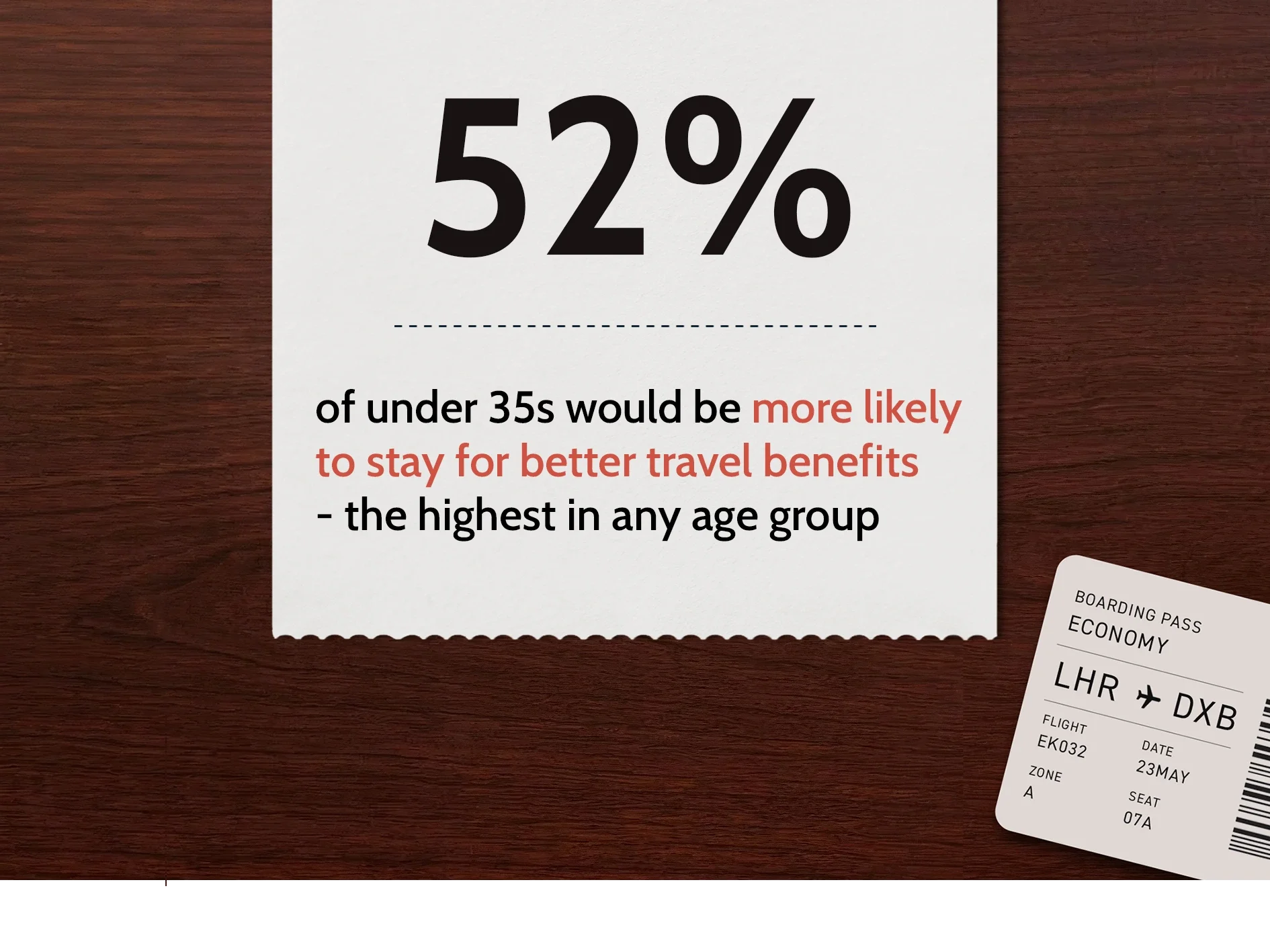
would be more likely to stay for better travel benefits
The cost that never reaches the invoice
Ask a finance team what a trip costs and they will point to the booking. But a large share of business-travel spend never appears on any invoice — because the traveller pays it.
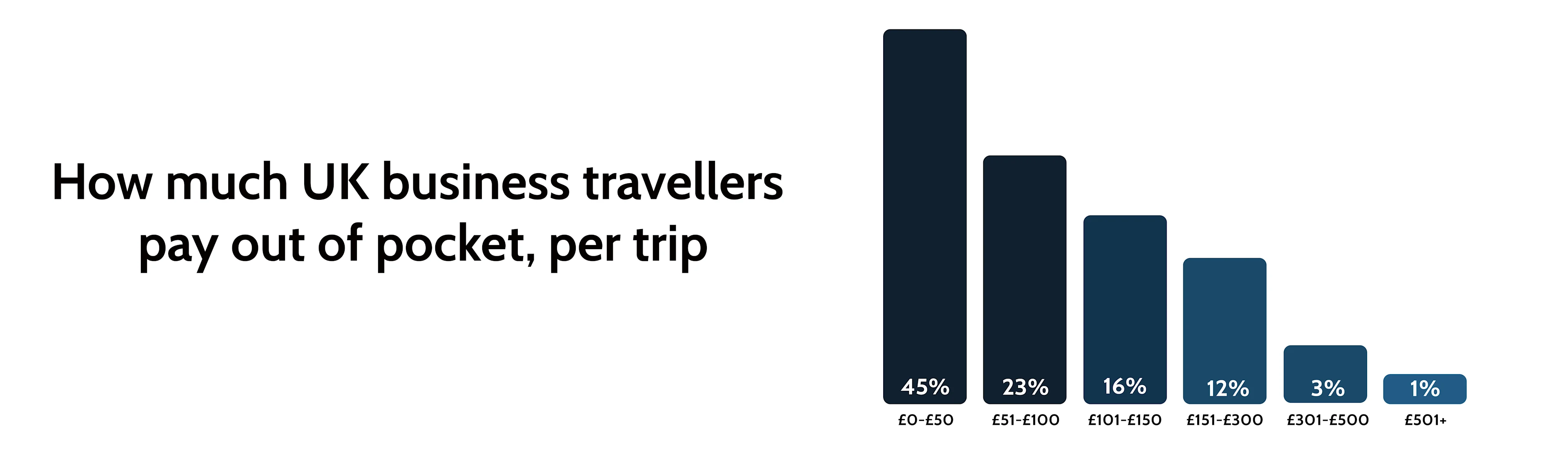
On average, UK business travellers cover £95.15 of their own money per trip, and nearly a third spend more than £100. At the same time, a quarter of companies have cut or restricted business class in the past two years — trimming the visible budget while the invisible one, carried by employees, quietly grows.
The productivity tax
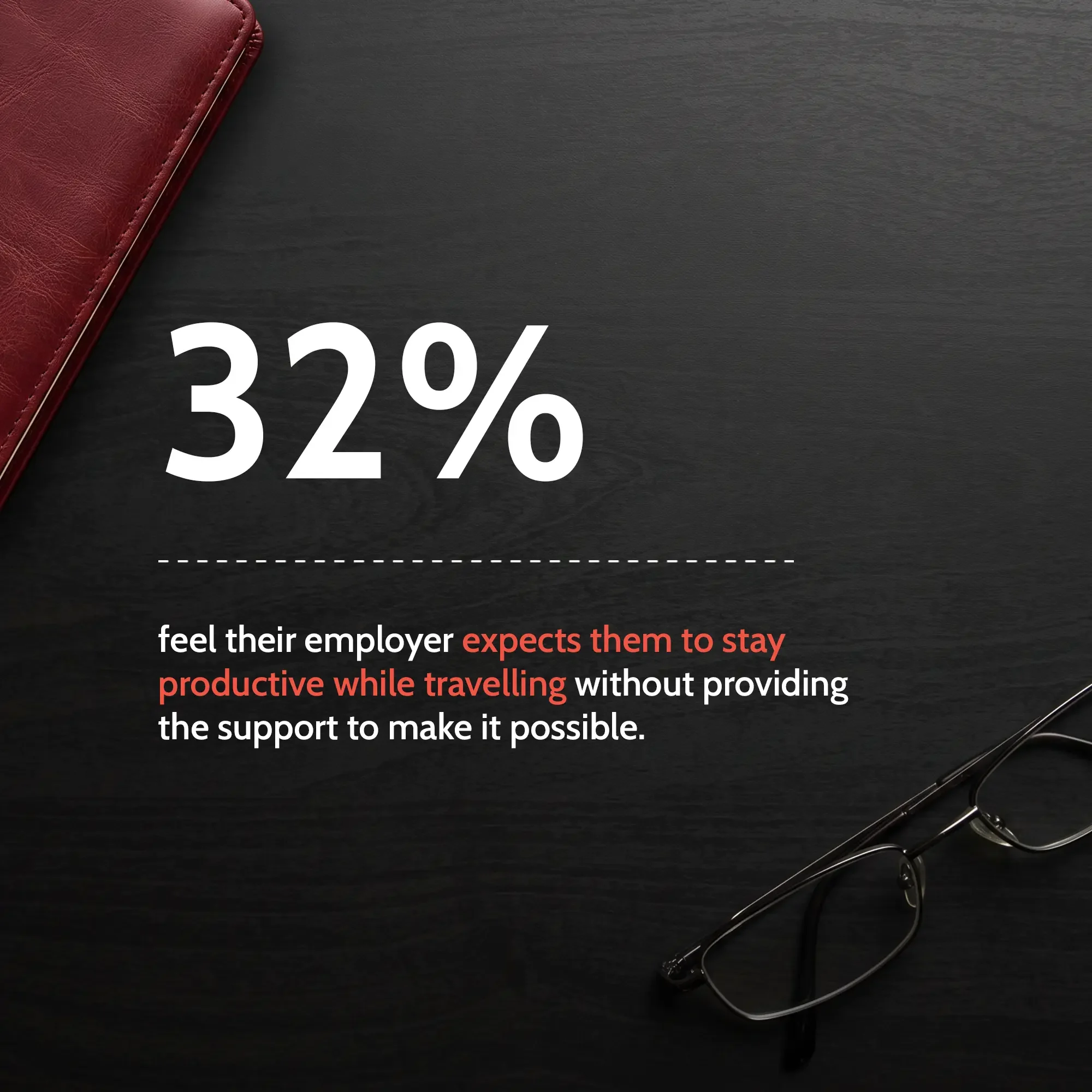
Travel is sold to the business as productive time. The data suggests otherwise. More than one in four business travellers (27%) say they have performed below their usual level because of the stress, discomfort or disruption of a trip — and 32% feel their employer expects them to stay productive on the road without providing the support to make it possible.
Asked what would most improve work travel, the answers are strikingly practical: not luxury, but money, calm and comfort.
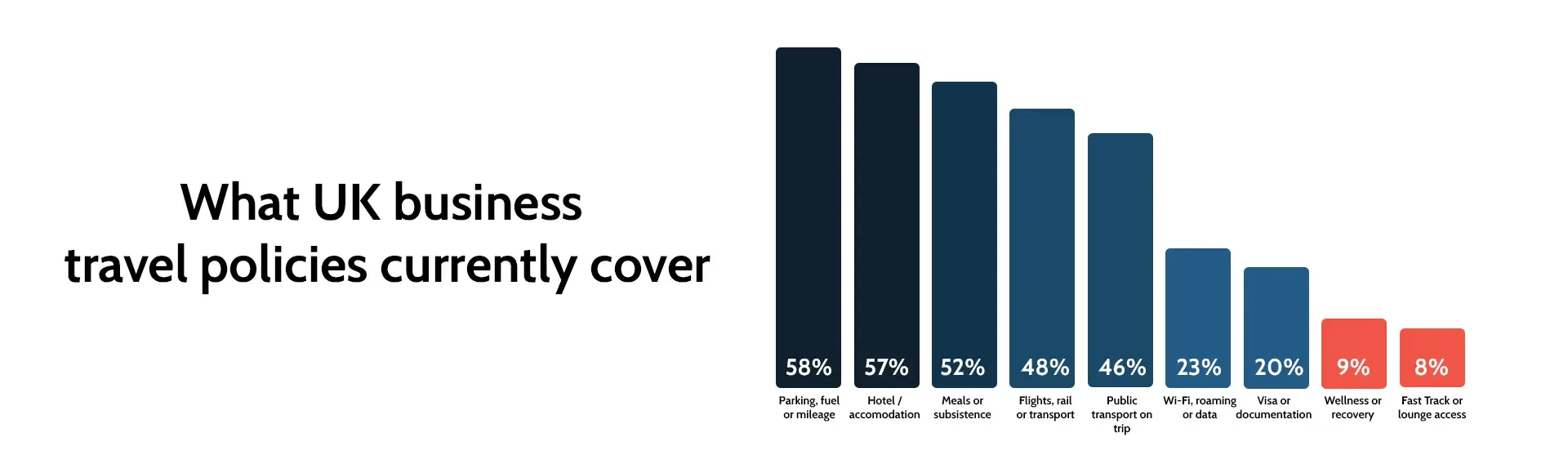
Only 8% of policies cover a lounge. Only 9% cover recovery.
The rest is on the traveller.
The gap in the policy
Travel policies are built around the obvious costs. What they rarely cover is anything that helps a traveller arrive able to work.
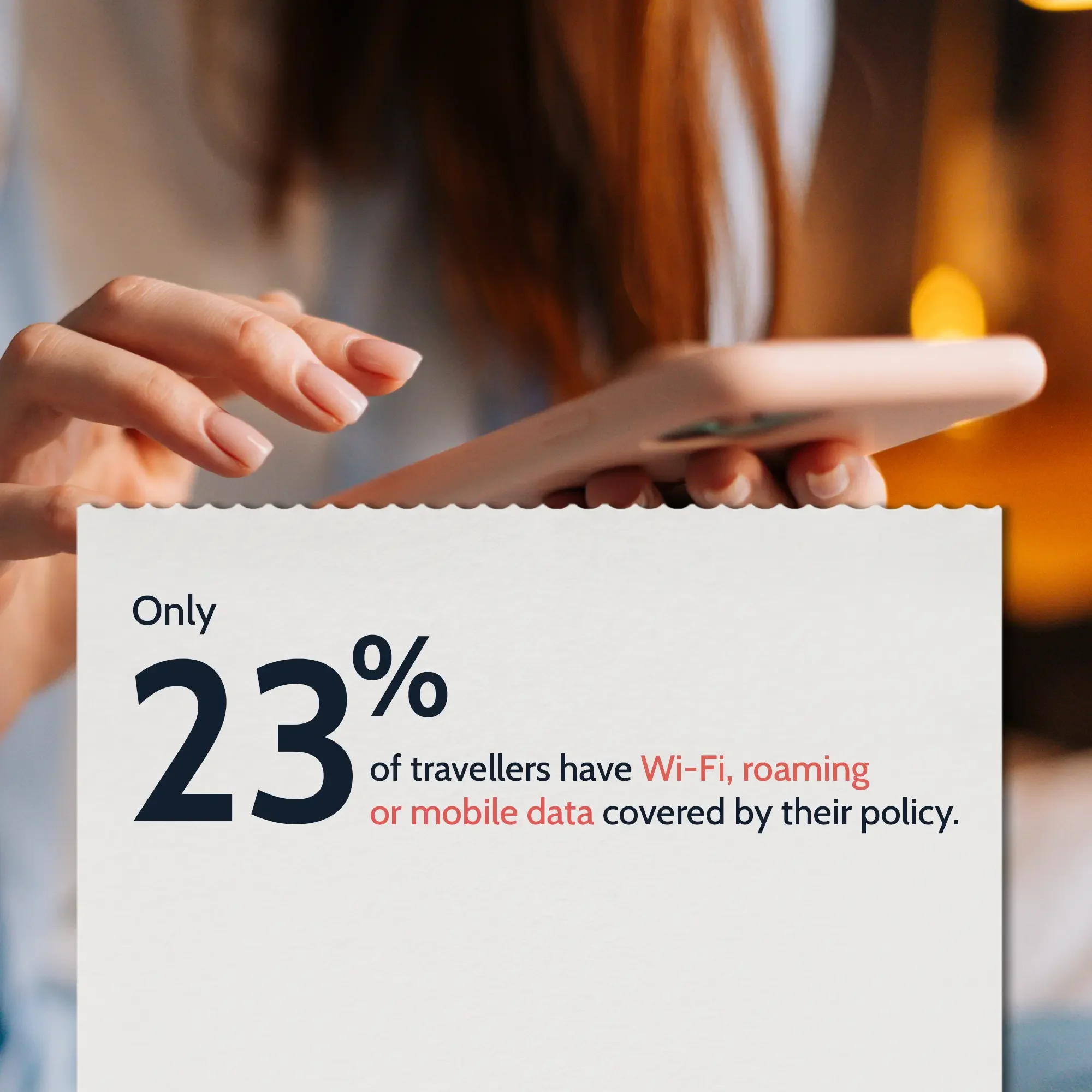
Policies reliably pick up parking, hotels, meals and transport. But just 8% include lounge or Fast Track access, and only 9% cover any form of wellness or recovery.
The essentials are looked after; the things that most determine whether a trip is productive are left to the individual.
The human cost
Behind the numbers is a quieter story about how work travel feels — and why it rarely reaches the feedback form.
A third of employees say they have tolerated uncomfortable or poorly-supported travel rather than seem ungrateful. Three in ten don't believe their employer properly considers their wellbeing when they travel. People seldom raise these things out loud — which is exactly why they surface in the data instead.
33%
have tolerated poor travel to avoid seeming ungrateful
30%
don't feel their employer considers their wellbeing
31%
regularly face uncomfortable travel yet must stay productive
21%
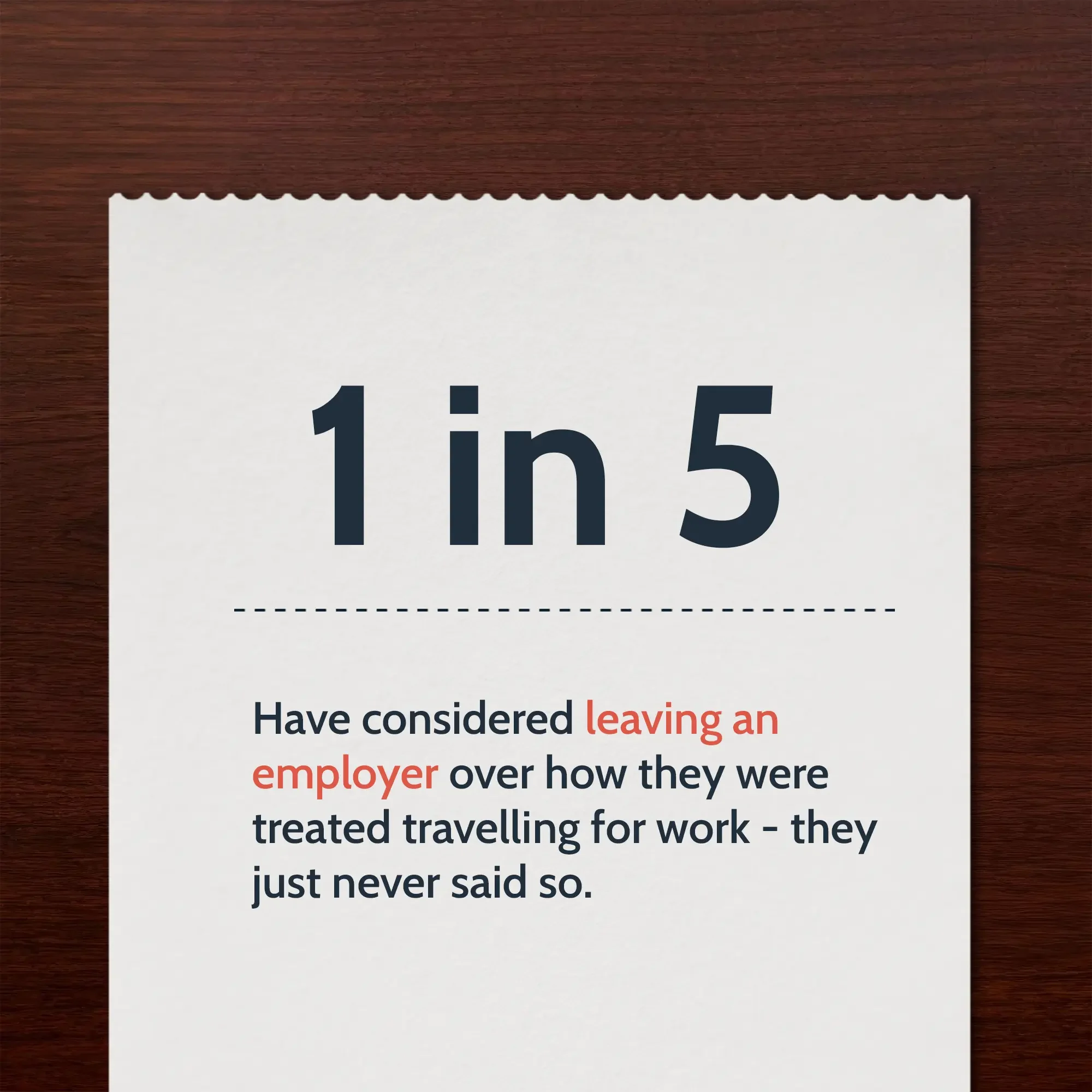
have considered leaving an employer over it
Why it shows up in retention
Looking after your people while travelling isn't only a wellbeing question. It's a retention one.
Nearly half of employees say better travel benefits would make them more likely to stay, and a third want benefits that make them feel looked after and valued.
It fits a wider shift in what earns loyalty: 69% say the brands that will win over the long term are those that reduce stress, friction and inconvenience. Increasingly, that expectation applies to employers too.
48%
would be more likely to stay for better travel benefits
36%
want benefits that make them feel looked after and valued
69%
say brands that reduce friction win long-term loyalty
What "better" looks like
None of this argues for grand gestures. The research points to something simpler: support that covers the whole travel day, not just the ticket — somewhere to work between meetings, somewhere to recover before a flight, and fewer costs left for employees to absorb.
That is the thinking behind Dragonpass for Business Travel: one way to look after people across the entire journey, from the workspace to the lounge.