

Great British Take-Off 2026: Why Solo and Purpose-Led Travel Is Moving Into the Mainstream
Dragonpass’ Great British Take-Off 2026 reveals how UK travellers are prioritising travel, embracing solo and hobby-led trips, and booking more frequently.

Travel in 2026 is being planned with more intention - not just more excitement. Dragonpass’ Great British Take-Off 2026 report offers an early, data-led view of how UK travellers are thinking about the year ahead: how often they expect to travel, what they’re willing to spend, and what’s shaping their confidence to go.
This pillar of insight has already sparked wider conversation, including Andrew Harrison Chinn’s LBC discussion with Matthew Wright and coverage in Retail Times, reflecting how quickly these shifts are moving from niche behaviours into everyday norms.
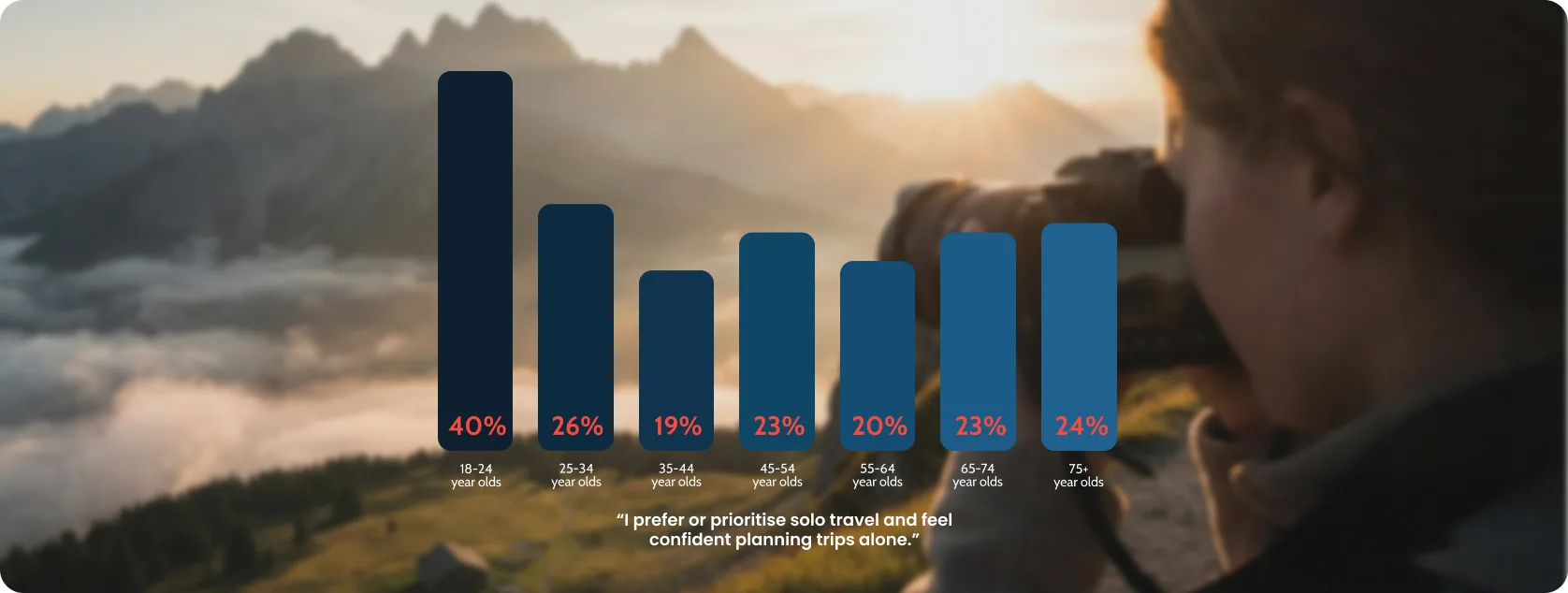
Solo Travel Is No Longer a Niche Activity
Solo travel is often framed as a brave outlier choice. The data suggests it’s becoming a mainstream format - especially among younger travellers.
24% of adults say they prefer or prioritise travelling solo and feel confident planning trips alone
That rises to 40% among under-25s
In the conversation with LBC, one of the clearest themes was confidence: planning feels simpler, information feels more accessible, and travellers feel better equipped to make decisions independently. That shift matters because it changes the size of the solo travel audience - from a niche segment to a scalable behaviour.
Travel Spend Is Being Reallocated, Not Abandoned
The strongest signal in the data isn’t a pullback - it’s a reprioritisation. Travel is increasingly treated as a deliberate line item rather than discretionary spend.
Spending patterns are clustering rather than collapsing. While some travellers continue to keep budgets tight, with 16 million Brits spending less than £500 on travel annually, 46% of Brits spend an average of £1K and £5K on holidays annually. In other words: travellers are making trade-offs - but they’re still travelling.
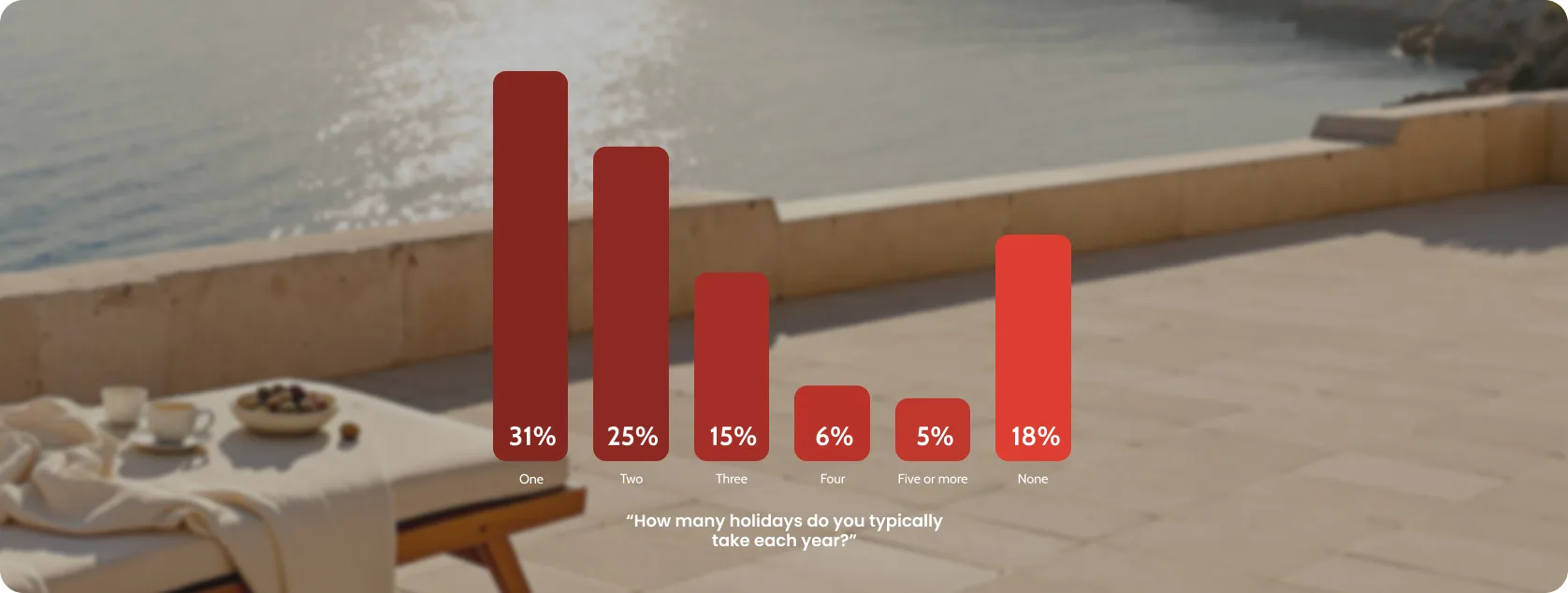
From “One Big Holiday” to a Year-Round Rhythm
Great British Take-Off points to a structural shift in frequency. The “one holiday a year” pattern still exists, but it’s no longer the dominant model.
25% of UK adults take two holidays a year
26% take three or more trips annually
21% say they often book their next trip immediately after returning home (rising to 26% among Gen Z)
That “book-again” behaviour matters because it signals momentum. Travel is becoming a continuous lifestyle rhythm - more like a sequence of smaller, purposeful breaks than a single annual event.
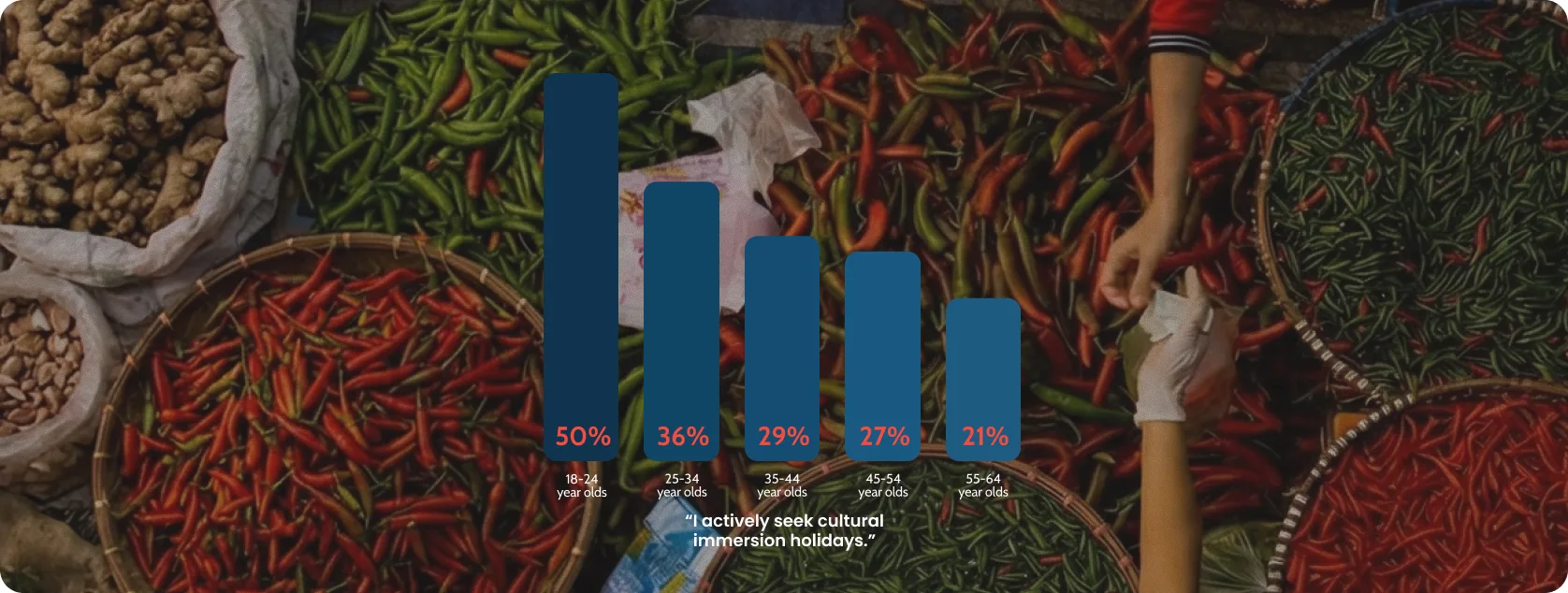
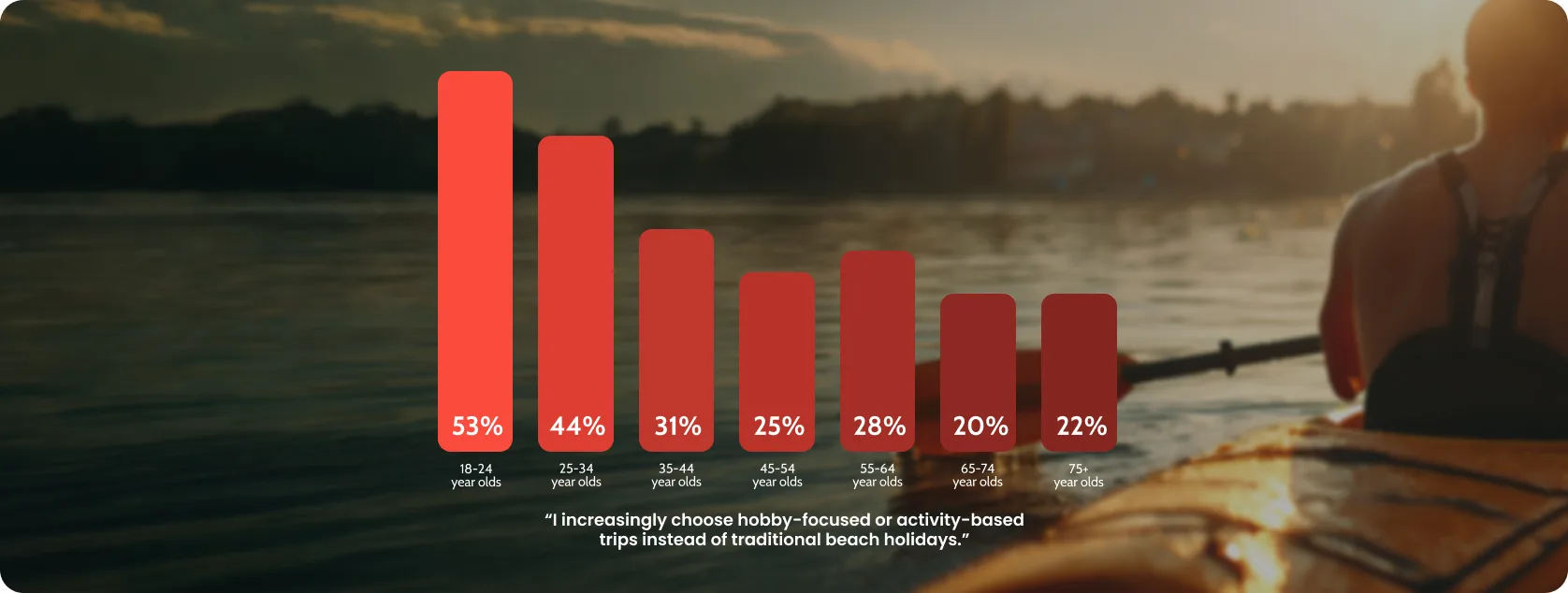
Purpose-Led Trips Are Replacing Default Holidays
Dragonpass research shows motivation changing as much as frequency. Travellers aren’t just going away - they’re choosing why they’re going away.
32% prioritise hobby- or activity-based trips
28% actively seek cultural immersion (local experiences, learning, community)
This is a more intentional travel mindset: trips that deliver identity, progress, or connection - not just escape. Hobby-led travel also removes friction for solo travellers by building in community and structure, turning “travelling alone” into “travelling independently.”
What This Means Now
Taken together, Great British Take-Off 2026 paints a clear picture: travel is becoming more frequent, more purposeful, and more independently planned - with confidence and journey quality playing a larger role in decision-making.
For the industry, the implication is simple: travellers don’t just want inspiration - they want clarity, reassurance and ease. And as solo and purpose-led travel becomes more mainstream, the end-to-end experience matters more than ever, from planning to airport to arrival.
Explore Great British Take-Off 2026
Great British Take-Off is Dragonpass’ flagship insight pillar, tracking how UK travel behaviour is evolving across spend, frequency, motivation and the journey experience. Explore more analysis and updates in the Dragonpass Insights hub.