

Travel Like a Local: The Best Time to Visit China According to Local Travel Patterns
Plan your trip to China around how locals actually travel, using real traveller data to uncover where to go, when to visit and the places worth adding to your trip.

China has been pulling travellers to the same iconic cities and majestic sights for decades, the kind of places that can make you want to book the trip before you’ve even planned it. Beijing’s imperial architecture and the Great Wall, Shanghai’s unmistakable skyline and cities that have come to define how much of the world imagines a trip to China. And there’s good reason they make the list. But in a country this vast, the more interesting question might be what happens when you stop looking at the places travellers are expected to visit and start looking at where people based there are choosing to go themselves.
That’s where a very different journey through China starts to seep through. Ancient capitals come into the picture; mountain towns, tropical islands and destinations outside China altogether. And where that journey takes you can change considerably depending on the time of year.
For the latest Travel Like a Local, a series where we look at anonymised local banking customer data alongside Dragonpass lounge activity to understand travel movements by locals throughout the year, we looked into China and we found a country where the calendar can change the direction of travel almost completely. Summer sees some of the biggest increases in places such as Dali and Luoyang, while winter can take travellers in opposite directions, north towards Harbin’s ice and snow or south towards the warmer climates of Xishuangbanna and Sanya.
That makes the best time to visit China less about finding a single month that works for everyone. It can depend on which part of the country you want to experience and the kind of trip you want to have. By following those local travel patterns, we can look at different places to visit in China throughout the year and build a China itinerary that takes some of its cues from the people already travelling there.
Where to go in China? Start with the cities locals travel through most
Before the seasonal routes take us into some of China’s less familiar destinations, the data has four clear starting points. Shanghai, Shenzhen, Guangzhou and Beijing account for some of the strongest lounge activity across the reporting period, putting four very different cities at the centre of how locally based travellers are moving around the country.

1. Shanghai — 10.2% of total lounge usage
The strongest city in the data, with activity spread across two major airports. Shanghai Pudong accounts for 5.8% of airport lounge activity and Shanghai Hongqiao a further 2.5%. For travellers, it makes a natural starting point that can include the city itself before the journey continues elsewhere in China.
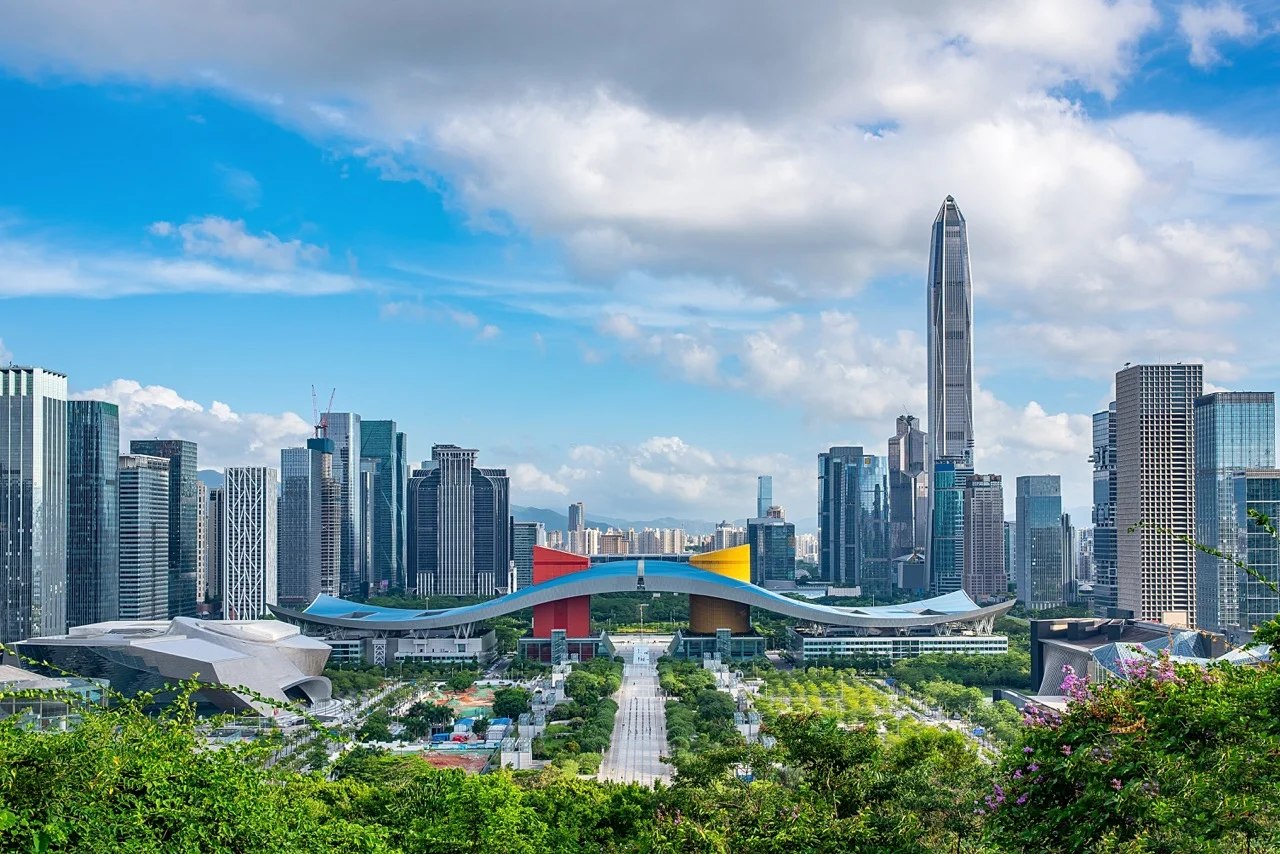
2. Shenzhen — 7.9%
Second in the city rankings, Shenzhen puts travellers in southern China and within reach of the wider Pearl River Delta. Shenzhen Bao’an is also the second-busiest airport in the dataset, accounting for 5.3% of airport lounge activity.
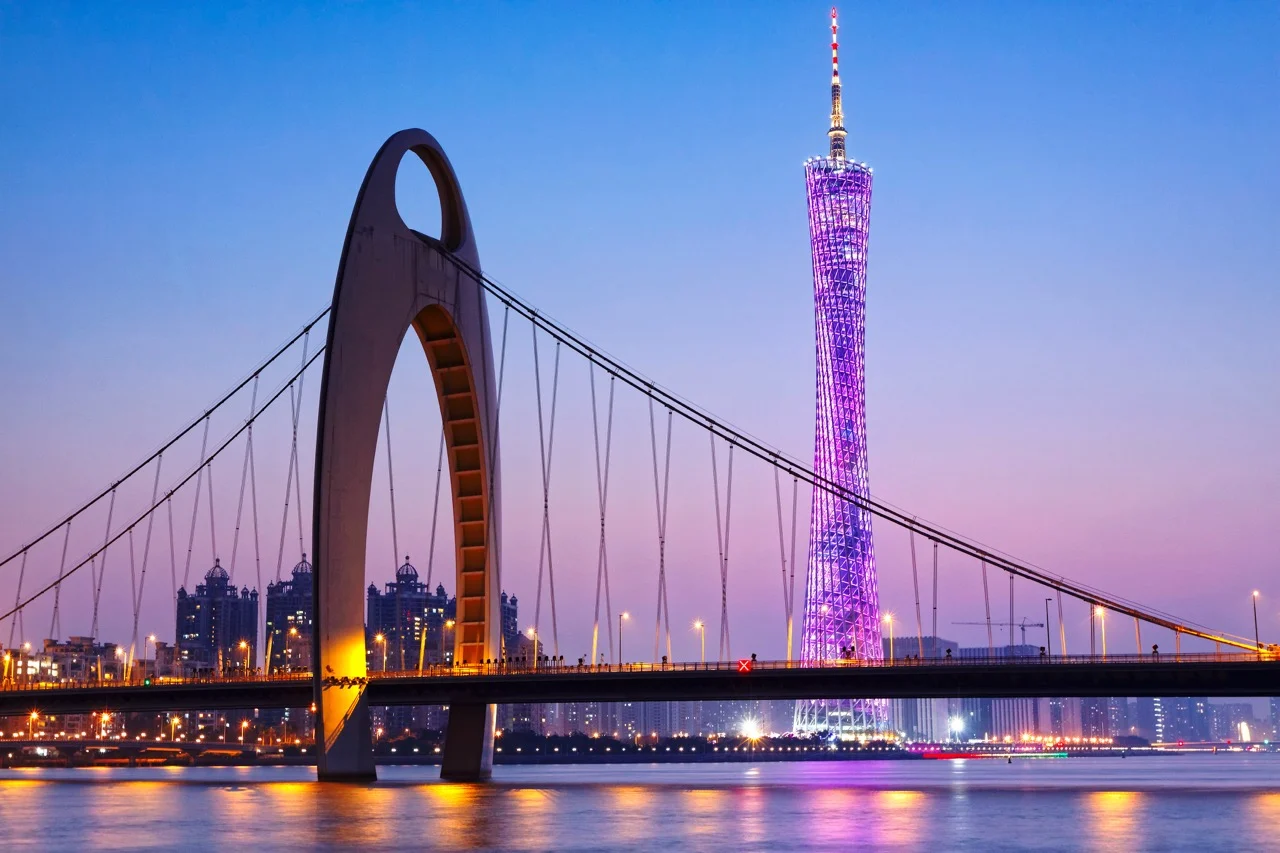
3. Guangzhou — 7.7%
Close behind is Guangzhou, one of China’s historic trading cities and another major southern gateway. Guangzhou Baiyun accounts for 4.7% of airport lounge usage in the data.

4. Beijing — 7.4%
For travellers who do want some of the China they’ve always imagined, Beijing earns its place. Imperial palaces, hutong neighbourhoods and the Great Wall can become the opening to a longer trip, with Beijing Capital accounting for 3.7% of airport lounge activity.
China in summer takes you away from the usual city break

By summer, some very different names start appearing in the data. Between June and July 2025, the biggest increases in lounge activity take us away from China’s largest commercial centres and towards places with their own history, culture and character. Dali leads the change, rising 143%, with the Cangshan Mountains and Erhai Lake providing a very different setting from the pace of Shanghai or Shenzhen.
And Dali isn’t an outlier. The June-to-July increases stretch across China and into the wider region:
Luoyang — up 128%, taking travellers to one of China’s ancient capitals and the nearby Longmen Grottoes.
Macau — up 114%, with its mix of southern Chinese culture and Portuguese-influenced streets, architecture and food.
Shangqiu — up 78%, bringing a less internationally familiar historic city into the route.
Sapporo — up 53%, taking the journey into northern Japan during the summer months.
Phuket — up 29%, extending it towards Thailand’s Andaman coast.
Hong Kong — up 26%, with its harbour, wooded hills and neighbourhood food culture.
There’s a much bigger appetite for travel sitting behind those movements too. During China’s three-day Dragon Boat Festival holiday in June 2025, residents made 119 million domestic trips, up 5.7% on the previous year, with tourism revenue reaching RMB 42.73 billion.
If you're deciding where to go in China during summer, the local data makes a case for giving the cultural interior more room on the itinerary. Shanghai could still be where the trip begins, but Luoyang brings in thousands of years of history before Dali changes the pace again with lakes and mountains. And if China is one part of a longer Asia trip, the same summer data takes us towards Hong Kong, northern Japan and Thailand.
When is the best time to visit China if you want to avoid the busiest periods?
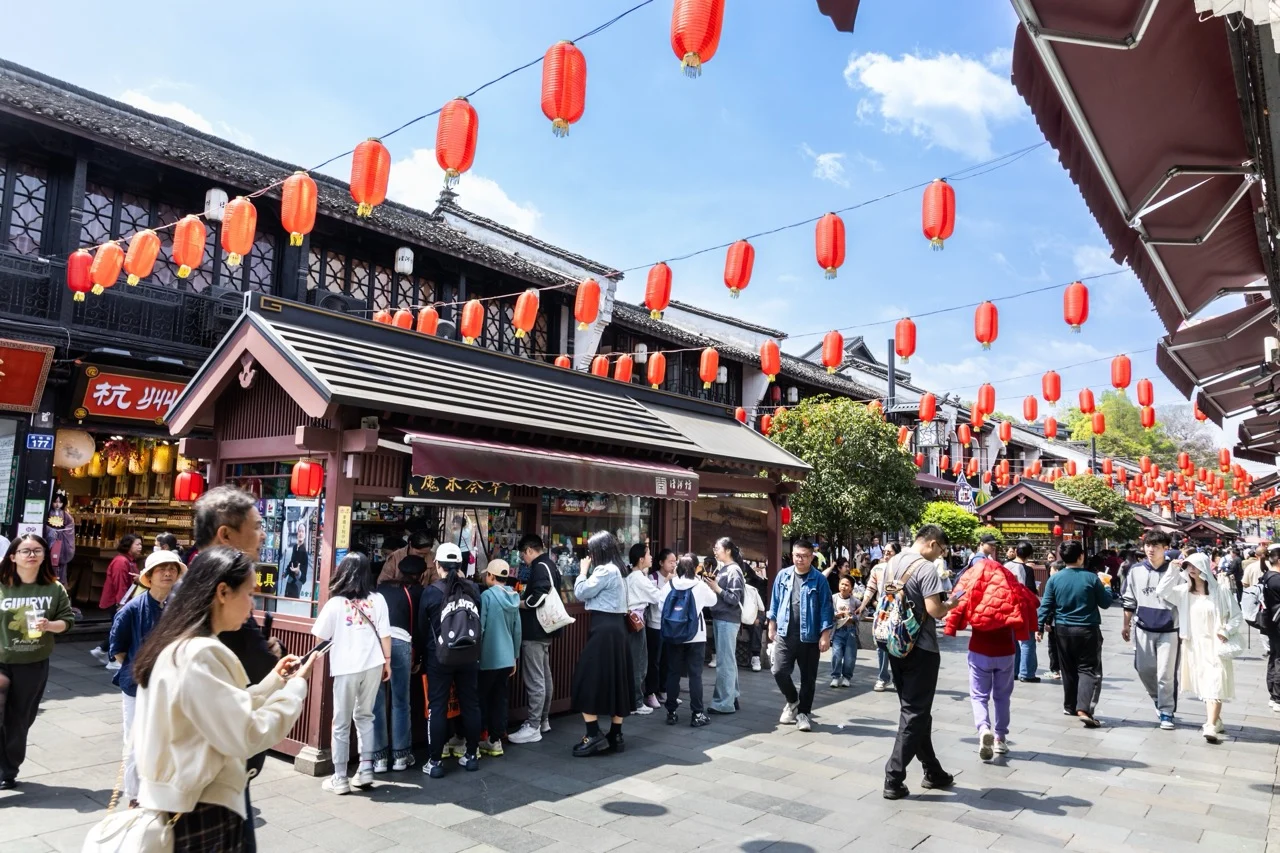
Not every trip needs to follow the busiest months. Across the reporting period, lounge usage was strongest in May, June and August 2025, while September and November 2025, March 2026 and June 2026 recorded quieter activity.
For travellers with some flexibility, those quieter periods could be worth considering when deciding on the best time to travel to China. Fewer travellers in the lounge data doesn’t automatically mean cheaper flights or hotels, but it does give you different dates to compare for fares, accommodation and availability rather than starting with the months showing the highest activity.
And that brings us back to what the data has been telling us throughout the journey. The best time to visit China doesn’t have to come down to one universally “best” month. It can depend on whether you want the summer route into China’s cultural interior, Harbin in winter, warmer destinations further south, or simply a period when the travel activity in our data is quieter.
Let the locals change your China itinerary

The dream China itinerary doesn’t have to disappear. Beijing, Shanghai and the country’s most recognisable sights have earned their place on it. But the routes travelled by people based in China give us plenty of reasons to leave some room around them.
That could mean following the summer movement towards Luoyang and Dali, choosing between Harbin and Sanya when winter arrives, or starting with one of the major gateways and seeing where the season takes you. Travelling like a local is especially magical in using the choices of people who know the country to find places, routes and times of year you might make your trip a more enchanting experience.
Wherever that takes you, Dragonpass can help make the airport part of the journey easier. Explore airport lounges across China and see what’s available along your route.
And if China is only the start of your adventures, follow the local travel patterns somewhere completely different with Travel Like a Local: Where to Go in Brazil and When to Visit.