


The Comfort Index
How financial breathing room, convenience and everyday support are redefining comfort — and rewriting the rules of consumer loyalty in 2026
33m Brits
say the brands that will win loyalty in future are the ones that reduce stress, friction and inconvenience. (69%)
Only 7% of Brits
now define comfort as accessing luxury.
24m Brits
say most loyalty schemes feel outdated and out of touch with everyday life. (50%)
23m Brits
are weighing up switching a long-term provider in the next six months. (48%)

A nation redefining comfort
Our latest nationally representative study of UK adults reveals a quiet but significant shift in what people mean by "comfort" — and what they now expect from the brands, banks, insurers and providers they stay loyal to.
Comfort today is defined far less by luxury and aspiration, and far more by financial breathing room, convenience, flexibility, reassurance and the ability to get through everyday life with less stress and friction.
It's a shift taking place against a backdrop of sustained pressure on household budgets. Official figures show that in April 2026, 79% of UK adults reported their cost of living had risen month-on-month, even as headline inflation eased to 2.8% — a sign that while the worst of the spike has passed, the squeeze on everyday spending has become the new normal.
Against that backdrop, loyalty is being re-examined. Consumers are increasingly asking whether long-standing relationships with brands and providers are delivering meaningful value when life feels more demanding and expensive — and they are rewarding the organisations that make everyday life easier, not just cheaper.
The collapse of traditional loyalty
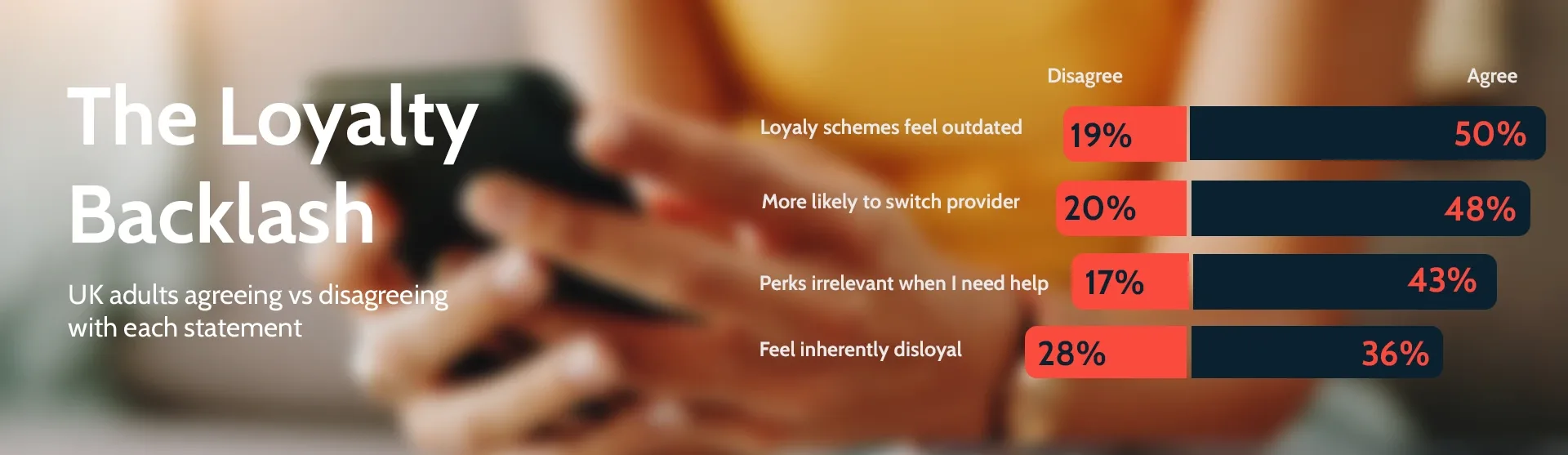
For decades, loyalty has been built on points, perks, status and tenure. The data suggests consumers are now far more willing to reassess long-held relationships when the rewards feel disconnected from the realities of everyday life.
24m Brits
say most loyalty schemes feel outdated and out of touch with the pressures of everyday life. (50%)
20m Brits
have stayed loyal — but found that when they genuinely needed support, the perks on offer felt irrelevant. (43%)
23m Brits
say rising costs, poor support or irrelevant rewards have made them more likely to switch a long-term provider.(48%)
17m Brits
agree life has become so uncomfortable that they feel inherently disloyal to brands that don't support them through it. (36%)
The rise of the comfort economy
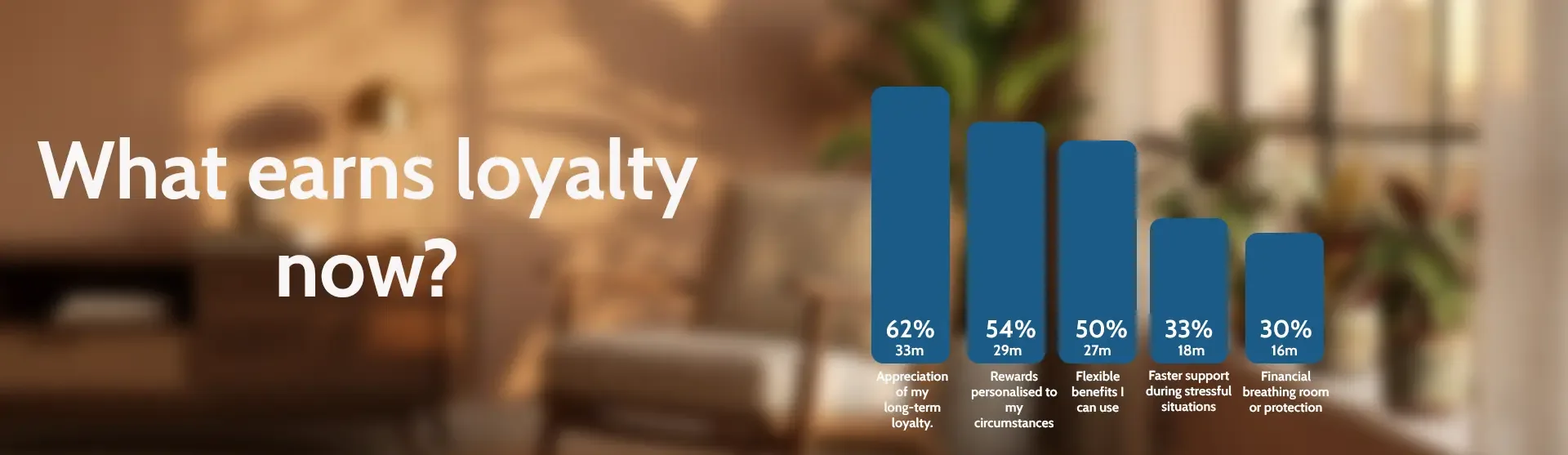
If loyalty is being withdrawn, it's also being re-earned — by the organisations that reduce stress rather than add to it. Comfort is fast becoming Britain's new consumer currency.

33m Brits
say the brands that win long-term loyalty will be those that reduce stress, friction and inconvenience across everyday life. (69%)

31m Brits
say they are now most loyal to the organisations that make their life easier, more comfortable and less inconvenient. (63%)
Luxury is out. Stability is in.
One of the most striking findings is the changing definition of comfort itself. Asked what comfort means to them today, only 7% chose luxury. Instead, financial resilience, recovery, control and support emerged as the dominant ideas — the everyday foundations of a life that feels manageable.
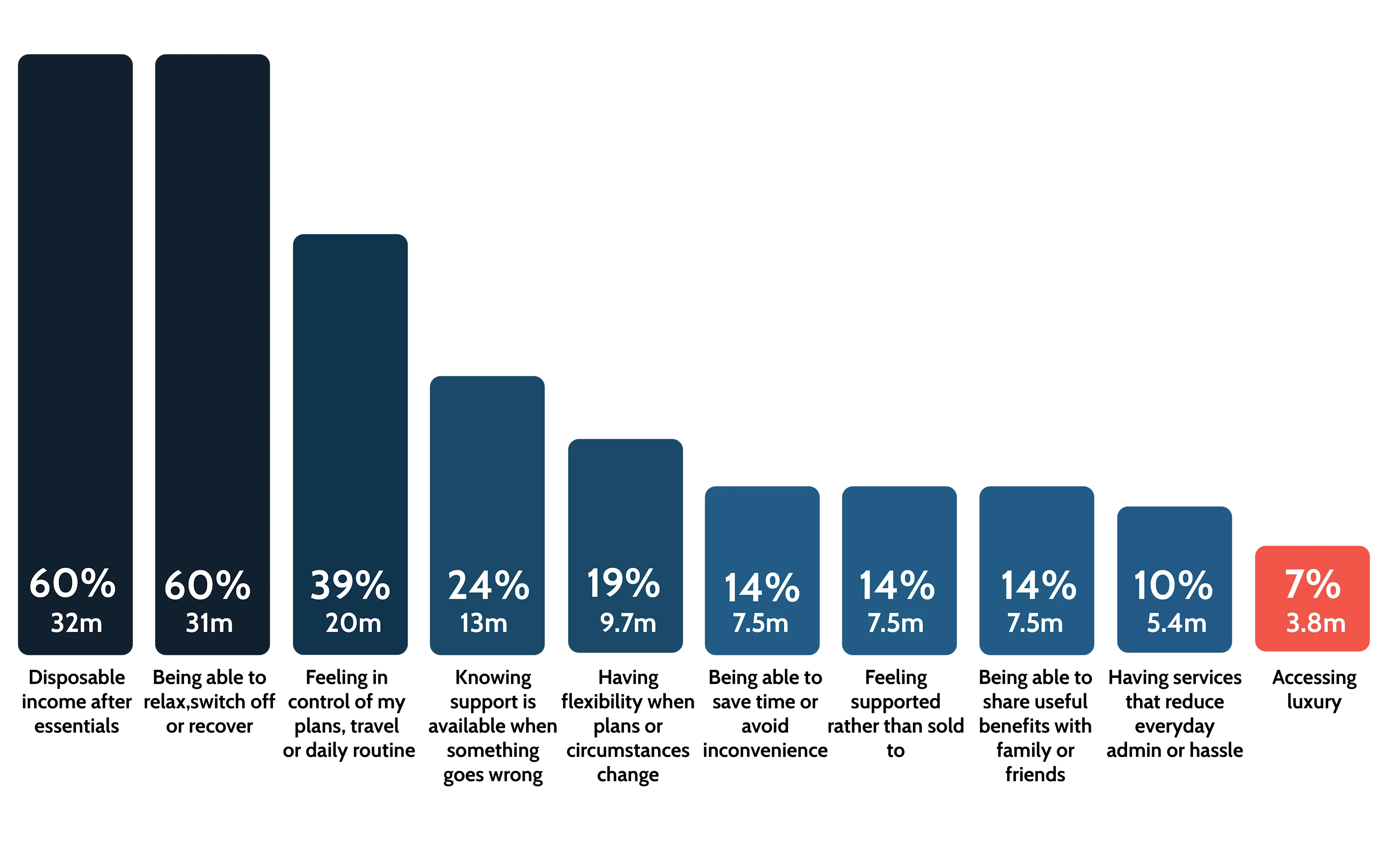
What comfort means today
Share of UK adults choosing each definition (up to three each).
The loyalty gap
The data reveals a widening gap between the loyalty consumers give and the support they feel they receive in return — and it varies dramatically by sector.
Britons stay with their main bank for nearly eight years on average, but barely two and a half with a car insurer. It's a pattern that shows loyalty is no longer a fixed asset: where switching is easy and rewards feel thin, relationships are short.
7.9 years
the average time Brits stay with their main bank — with 62% staying more than a decade.
2.6 years
the average time Brits stay with their car insurer.
5.4 years
The average time Brits stay with their mobile provider.
3.3 years
The average time Brits stay with their home insurer.
Where Brits want more support
And when asked where they'd most value greater comfort, convenience or support, consumers pointed clearly at the essentials of everyday life.
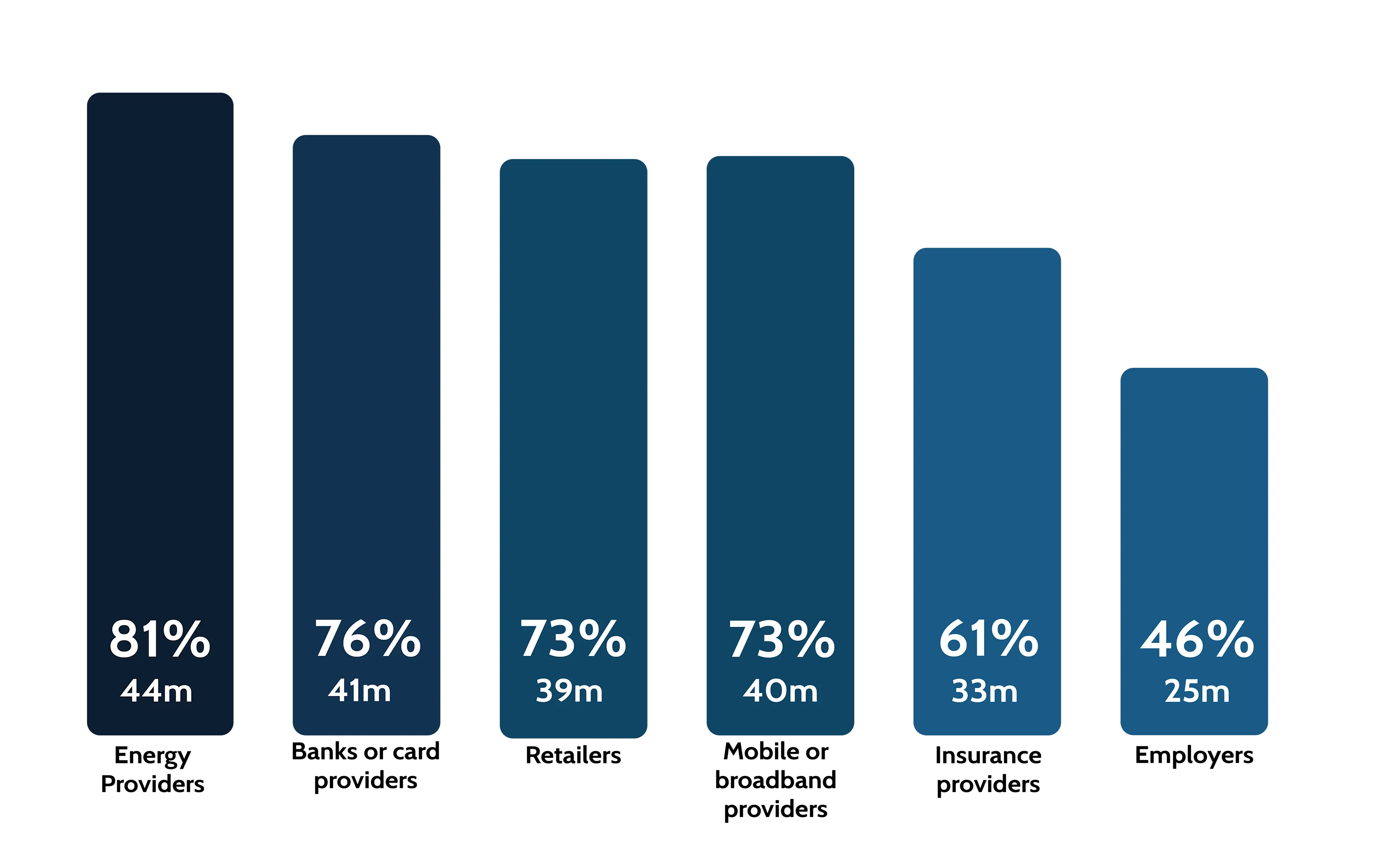
Share placing each sector among the five they'd most value greater comfort or support from
The cost of everyday comfort
Share placing each sector among the five they'd most value greater comfort or support from
39m Brits
say being able to occasionally afford small perks — a coffee, a meal out, time with family and friends — matters for their mood, stress levels and wellbeing. (76%)
27m Brits
say they worry about the cost whenever they go out for dinner, drinks or experiences. (56%)
17m Brits
now prioritise bills and essentials over experiences. (31%)
7.6m Brits
say they feel guilty or pressured to justify non-essential spending. (14%)
How rising costs have reshaped everyday life
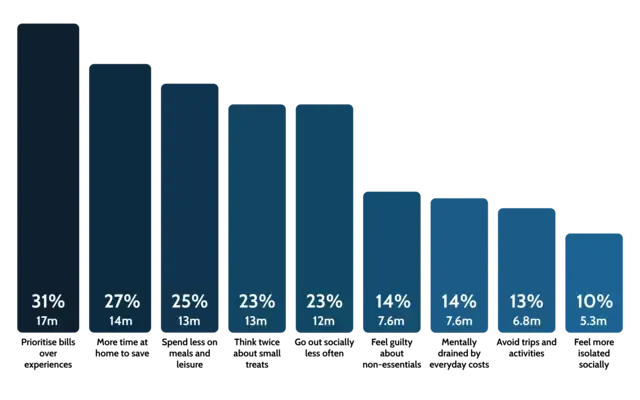
Share of UK adults reporting each change (up to three each)
Comfort, delivered
The research points to a clear opportunity: the organisations that earn loyalty now are the ones that remove friction and deliver everyday comfort — especially in the moments that are otherwise stressful, expensive or hard work.
That's exactly where Dragonpass and tastecard come in — turning travel and everyday spending into moments of comfort rather than cost. From lounge access and a calmer airport experience to dining offers and everyday savings, the focus is the same: less stress, more breathing room, and benefits people can actually use when it matters.

Comfort before departure
Airport lounges
Give your customers access to over 1400 lounges globally. Creating a smoother, more comfortable airport experience.
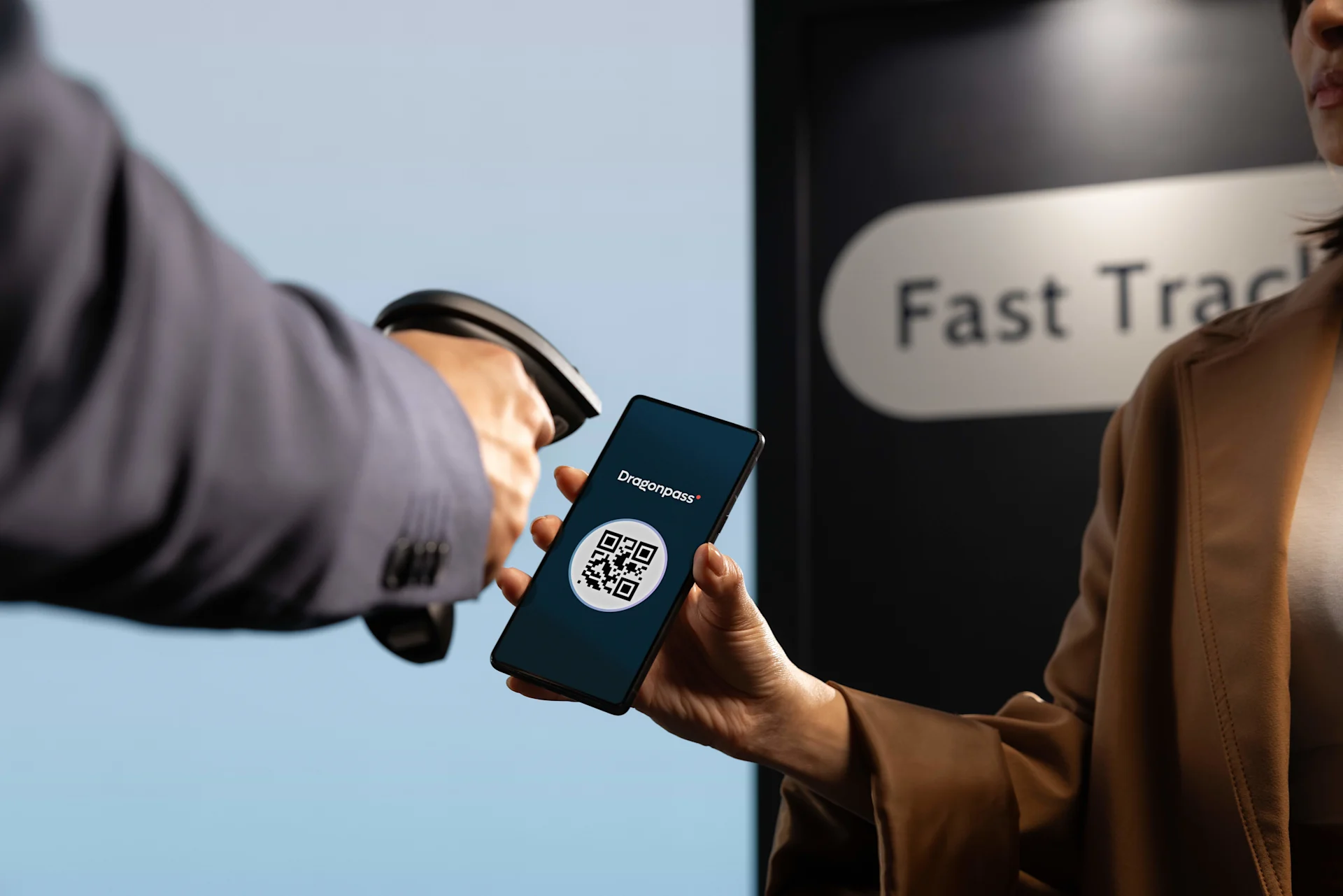
Skip long queues
Fast Track security
Help your customers to move through airport security and immigration quicker, at over 200 dedicated priority lanes worldwide.

Savings on food & drink
Airport dining offers
Help your customers reduce food and beverage spend, with dining credit and offers accepted at in-airport restaurants worldwide.
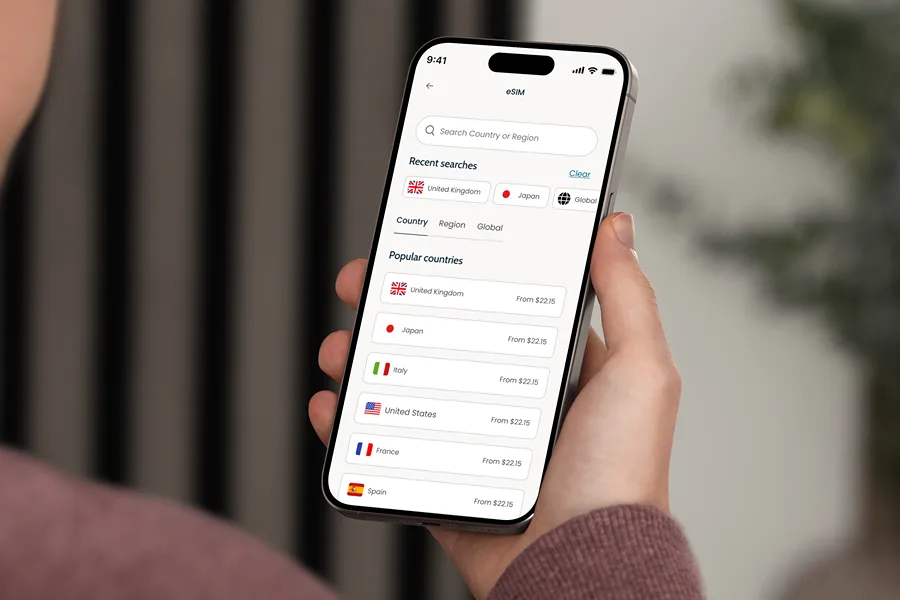
Stay connected abroad
Global eSIM connectivity
Enable simple, flexible mobile data access abroad, helping travellers stay connected without roaming hassle.

Relax before take-off
Airport spa
Offer your customers access to in-airport spa treatments, helping them unwind and recharge before their flight
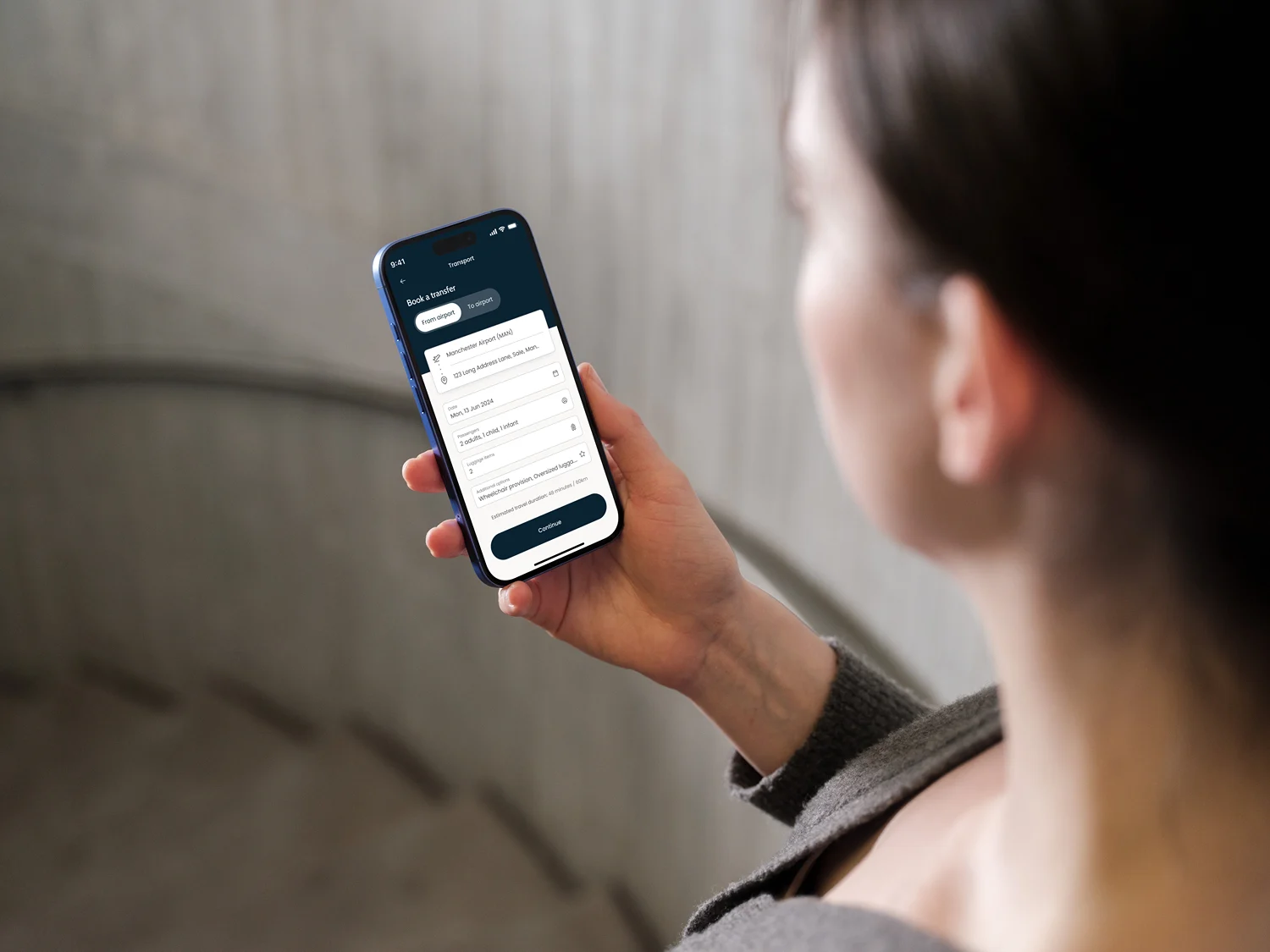
Seamless ground transport
End-to-end airport transfers
Enable your customers to pre-book reliable rides to and from the airport, ensuring smooth door-to-door journeys.

Stay engergised
On-the-go fitness classes
Give travellers the option to stay active with access to gyms and fitness classes at their destination.
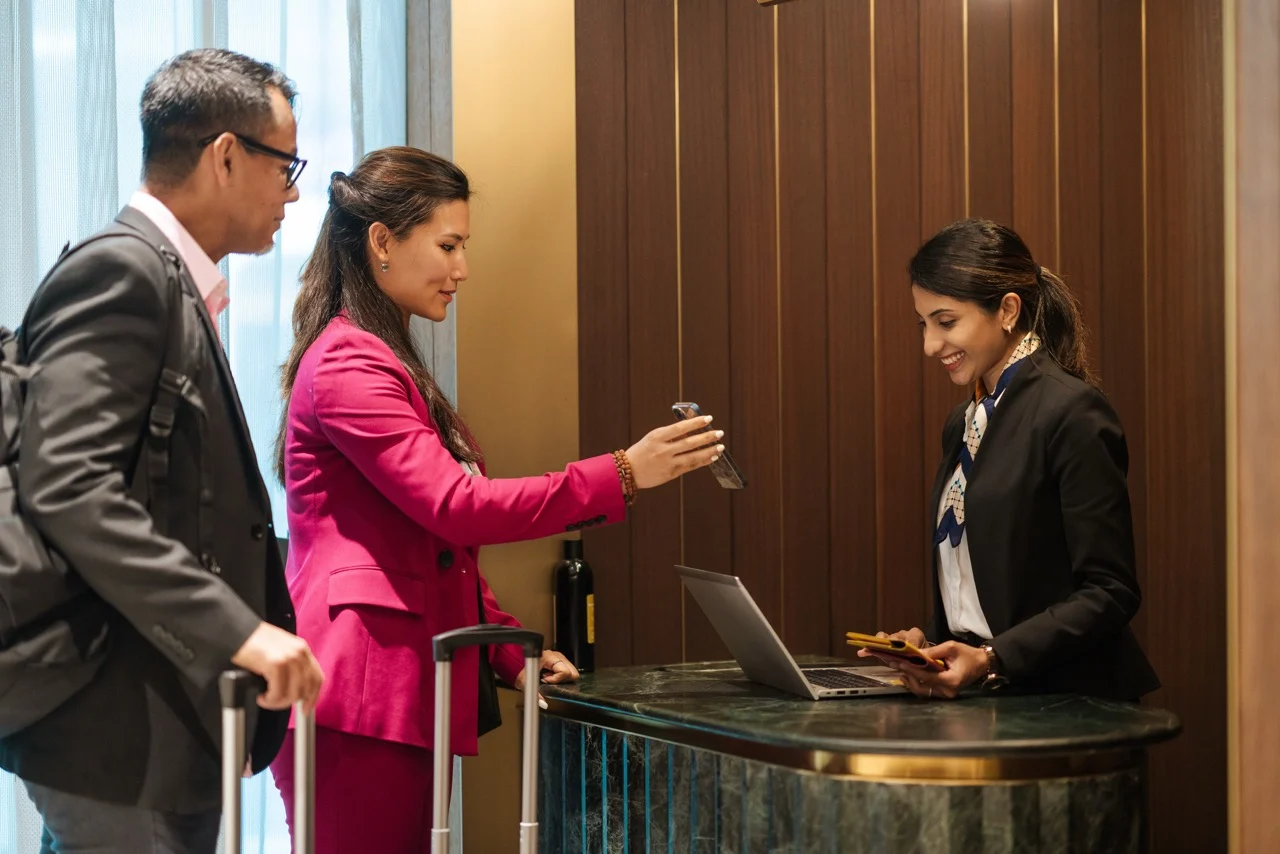
Share with guests
Comfort is better shared. Members can bring partners, family or friends along and add lounge and dining passes for guests in a tap — answering the growing number of Brits who value benefits they can share with the people they care about
The data is based on nationally representative research conducted among 2,156 UK adults aged 18+. Fieldwork was carried out between 3rd and 4th June 2026, with responses weighted to be representative of the UK adult population. Quota and weighting targets were taken from the latest ONS Census data, 2021/22. Population figures are based on weighted UK adult estimates, with unweighted and weighted bases shown where relevant. The research was conducted in line with British Polling Council standards for transparency and disclosure.