

EES Entry Rule: What Travellers Need to Know Before Visiting Europe
A simple guide to the EU Entry/Exit System, biometric border checks and how to allow extra time when travelling to the Schengen Area.
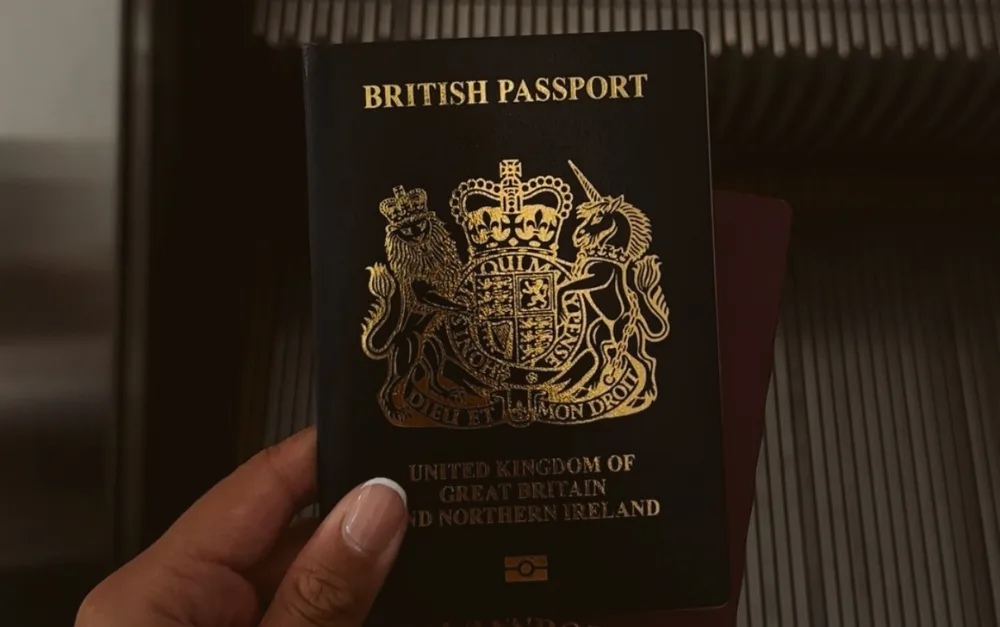
Travelling to Europe soon? There’s a new border process to be aware of. The EU’s Entry/Exit System, known as EES, is replacing passport stamps with digital checks for many non-EU travellers entering and leaving the Schengen Area. For UK and international travellers, this may mean having a quick photo taken and, in some cases, fingerprints registered at the border. It’s not something to worry about, but it may add extra time at airports, ports and rail terminals, especially during busy travel periods.
What is the EES entry rule?
The EES entry rule is part of a new digital system used by European border authorities. It records when eligible non-EU travellers enter and leave the Schengen Area for short stays. Instead of manually stamping passports, the system stores travel details digitally. This can include:
Your passport information
The date and location of entry
The date and location of exit
A facial image
Fingerprints, where required
The aim is to make border records more accurate and help monitor short-stay travel rules, including the 90 days in any 180-day period rule.
Who does EES affect?
EES generally applies to non-EU nationals travelling to the Schengen Area for short stays. This includes many UK passport holders visiting Europe for holidays, business trips, family visits or short breaks. Some travellers may be exempt, including certain EU residents, visa holders and dual nationals travelling on an EU passport. Rules can vary depending on your nationality and travel status, so it’s worth checking official guidance before you travel.
What happens at the border?
When you arrive at a Schengen border, you may be directed to a kiosk, e-gate or border officer. On your first EES registration, the process may take a little longer because your biometric details need to be recorded. You may be asked to:
Scan your passport
Have a facial image taken
Provide fingerprints
Answer standard border questions about your trip
Once registered, future journeys may feel more familiar, although checks will still apply each time you enter or leave.
Will EES cause longer queues?
It might, particularly at busy airports and during peak travel dates. The first time travellers use the system, checks may take longer than the traditional passport stamp process. That doesn’t mean every airport experience will be difficult. It simply means travellers should avoid cutting timings too fine. To prepare, it’s sensible to:
Check your airline or travel operator’s advice
Keep your passport and travel documents handy
Avoid tight onward connections where possible
Allow extra time if travelling with children or in a group
What does this mean for different travellers
Frequent travellers
If you travel to Europe often, EES may make your travel history easier to track digitally. You’ll still need to keep an eye on short-stay limits and allow time for border checks, especially on your first trip after registration.
Families
Families may need more time at border control if each traveller has to be processed individually. Keeping documents organised and building in extra time can help make the experience calmer.
Business travellers
For business trips, predictability matters. If you have meetings, transfers or same-day travel plans, leave more room in your schedule in case border checks take longer than expected.
Holiday goers
For occasional travellers, EES is simply a new step at the border. Knowing what to expect can help avoid last-minute stress and make the start of your trip feel more relaxed.
How Dragonpass can help
While Dragonpass can’t change border control rules or speed up EES checks on arrival, it can help travellers plan the rest of their airport experience with more comfort and flexibility.
If the new EES process encourages you to build more time into your travel plans, especially on departure or during connections, airport services can make that extra time feel less stressful. Depending on the airport and your membership, Dragonpass may give you access to lounges, dining offers, Fast Track services, spa benefits and other extras.
EES is a reminder that airport timings can change, especially when new systems are introduced. Planning ahead, checking the latest travel guidance and making use of available airport services can help make the overall journey feel more manageable.
Availability varies by airport, terminal, membership type and date of travel, so travellers should always check the Dragonpass app or website before setting off.
FAQs
What is the EES entry rule?
The EES entry rule is part of the EU Entry/Exit System. It digitally records when many non-EU travellers enter and leave the Schengen Area.
Does EES apply to UK travellers?
Yes, it applies to many UK passport holders travelling to the Schengen Area for short stays. Some exemptions apply, so check official travel guidance before departure.
Does EES replace passport stamps?
Yes, for eligible travellers, EES is designed to replace manual passport stamping with digital entry and exit records.
Do I need to apply for EES before travelling?
No. EES is not a visa or pre-travel application. It is a border registration process that happens when you enter or leave.
Is EES the same as ETIAS?
No. EES records border entries and exits. ETIAS is a separate travel authorisation system for visa-exempt travellers.
Will EES make airport queues longer?
It may do at some airports, especially during busy periods or while the system is still new to travellers. Allowing extra time is the safest approach.
What’s the Schengen area?
The Schengen Area is a zone of 29 European countries that have removed passport and border controls between them, allowing free movement across internal borders. As of 2026, 29 countries are full members, with Bulgaria and Romania the most recent additions, joining fully on 1 January 2025.
The 29 member countries are: Austria, Belgium, Bulgaria, Croatia, Czech Republic, Denmark, Estonia, Finland, France, Germany, Greece, Hungary, Iceland, Italy, Latvia, Liechtenstein, Lithuania, Luxembourg, Malta, Netherlands, Norway, Poland, Portugal, Romania, Slovakia, Slovenia, Spain, Sweden and Switzerland.
Will I still get a stamp in my UK passport under the new EES rules?
In most cases no, because UK passport holders are treated as non-EU travellers, and since the EU's Entry/Exit System (EES) became fully operational on 10 April 2026 manual passport stamping has been retired across all 29 participating countries, with your entries and exits now recorded digitally instead