

Destination Dupes in 2026: UK Travellers Swap Expensive Hotspots for Better-Value Alternatives
New Dragonpass-commissioned travel research shows destination dupes are trending in 2026 as UK travellers seek the same iconic experiences for less. Discover the top swaps and how to plan a better-value break.

If your travel wish list still reads like a greatest-hits playlist Val d’Isère, Amalfi, Mykonos, the Maldives, Venice, Tuscany you’re not alone. What is changing in 2026 is how UK travellers are getting that “signature” feeling without locking themselves into peak prices, peak crowds, and peak-stress logistics.
In a recent piece of coverage featuring Dragonpass, Crave Magazine spotlights the rise of “destination dupes”, places that deliver a similar look, feel, and itinerary payoff to iconic hotspots, but without the peak-season price compression that can flatten a whole trip into constant trade-offs. Typically, these destinations will offer better flexibility across accommodation, dining, and activities.
The Dragonpass insights behind the dupe effect
Crave’s piece is grounded in Dragonpass insights, including Dragonpass-commissioned report “The Great British Take-Off” that points to a clear behavioural shift among younger travellers.
Two datapoints in the coverage are explicitly framed from Dragonpass data:
47% of 18–24-year-olds are actively looking for emerging or trending destinations.
23% of Brits say they spent under £500 on holidays in the last 12 months.
Together, they explain why destination dupes are gaining traction in 2026: people still want culturally recognisable trips, but they’re planning around price realism and experience quality.
What are destination dupes?
In simple terms, destination dupes are cheaper alternatives to expensive travel hotspots, chosen because they offer comparable scenery, atmosphere, food culture, and “core itinerary moments”, often with more flexibility to extend the trip or upgrade the experience.
Think:
the ski week where you can still justify a spa day
the coastline escape where you can book dinner without panic-refreshing apps
the beach-club summer that doesn’t punish you for ordering lunch
Why this trend is peaking in 2026
This is the “new value logic” Crave describes: travellers still want the recognisable experience, but they’re choosing destinations that give them more flexibility and let them control the spend across the trip.
That aligns with what the wider industry is flagging too, ABTA’s Travel Trends for 2026 positions changing traveller behaviour and motivations as a defining theme for the year.
In practice, destination dupes win because they often deliver:
more availability during peak months
more itinerary range (you’re not locked into one resort strip)
more “yes” moments (meals, activities, upgrades) without constant trade-offs
The 6 destination dupes UK travellers are choosing in 2026
Crave’s coverage, based on Dragonpass insights, highlights six swaps that capture the trend perfectly.
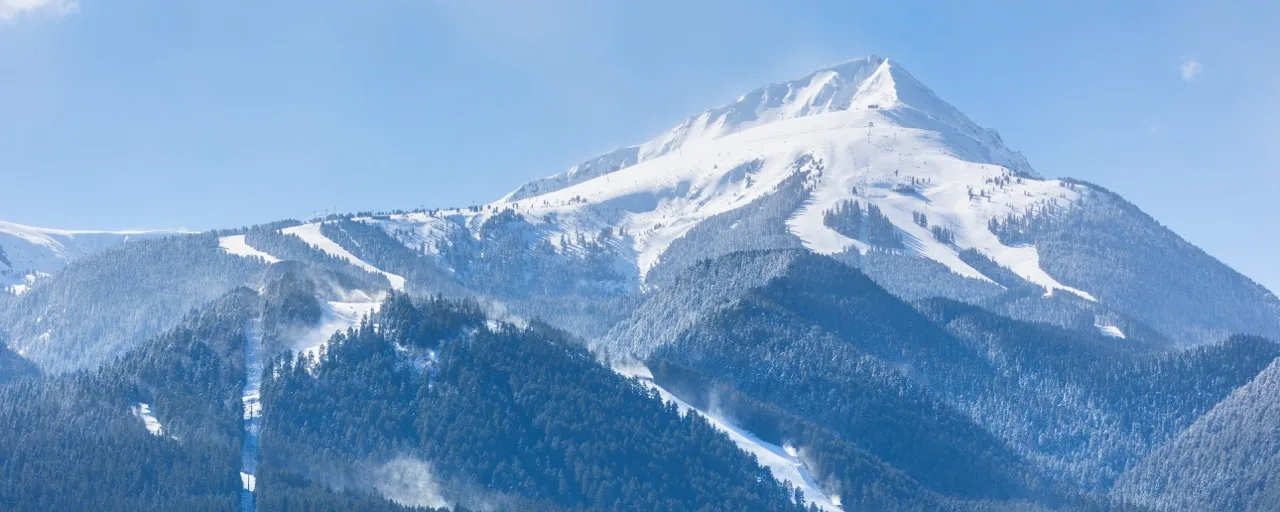
1. Bansko, Bulgaria instead of Val d’Isère, France
Best for: ski value, après energy, spa culture, longer stays Crave points to Bansko as the “French slopes, Bulgarian prices” answer: reliable ski terrain, an old town vibe, and a strong wellness angle, so the trip isn’t limited to one resort circuit.
How to plan it
Lean into the “more for your money” format: split days between slopes + spa + old-town dinners.
Useful local planning resources:
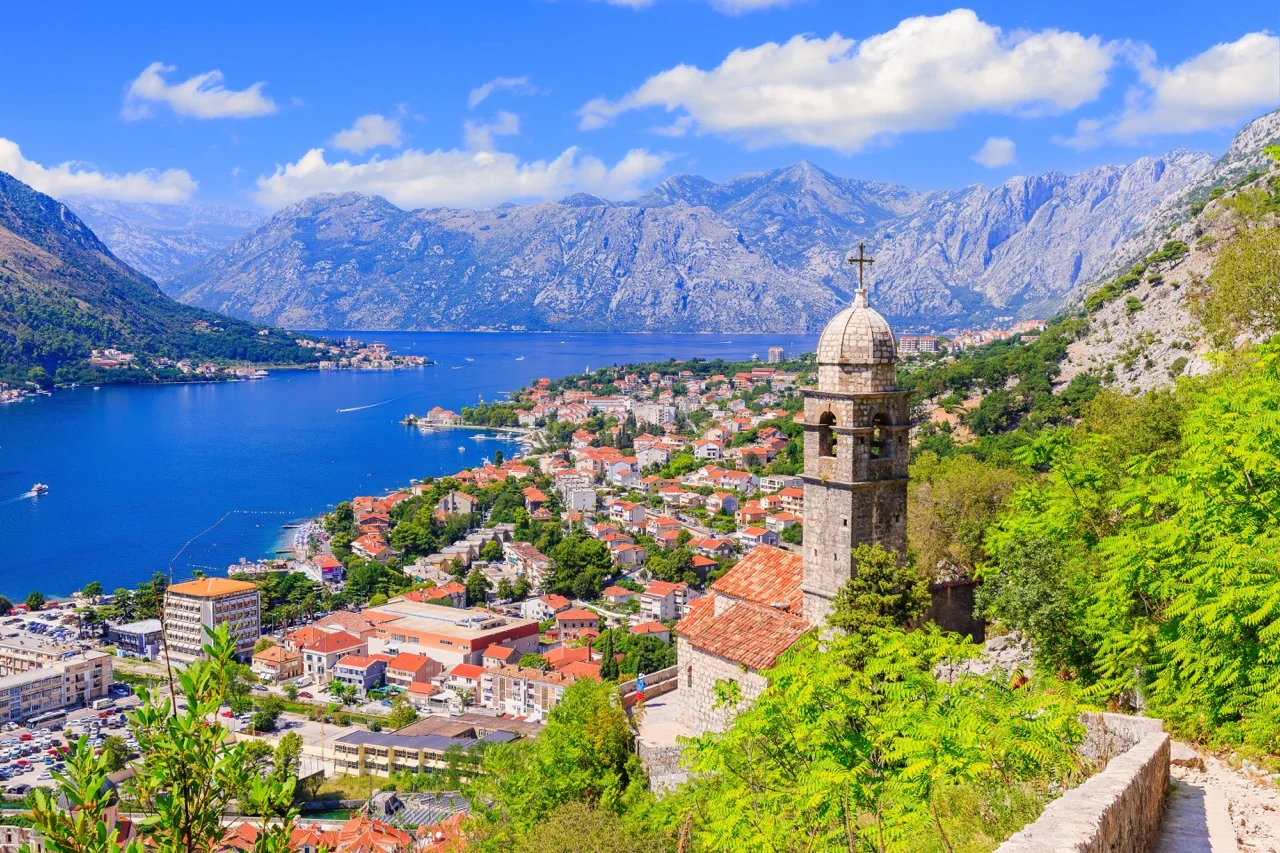
2. Kotor Bay, Montenegro instead of the Amalfi Coast, Italy
Best for: dramatic coastal scenery, waterfront dining, cinematic old towns For travellers chasing that Amalfi “wow” cliffside views, seaside meals, boat trips, Crave highlights Kotor Bay (and nearby Perast) as a place with similar visual drama and a more relaxed peak-season experience.
How to plan it
Make it “Amalfi-style”: base yourself waterside, take a boat day, and book a sunset dinner—just with less pressure around availability.
Official destination inspiration
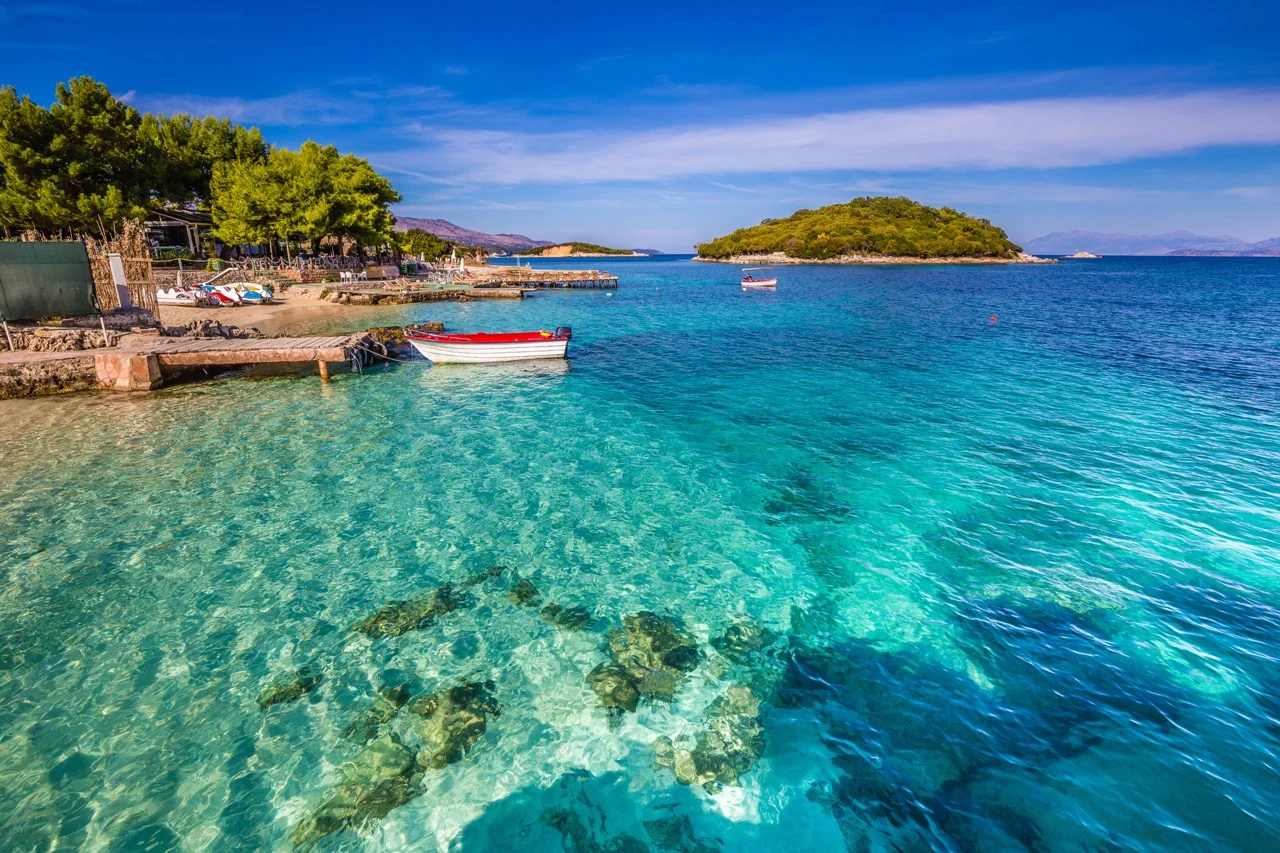
3. Ksamil & the Albanian Riviera, Albania instead of Mykonos, Greece
Best for: turquoise water, beach clubs, late-night dining, social summer energy If Mykonos is your vibe but the price tag isn’t, Ksamil and the Albanian Riviera may be for you.These destinations offer the same core ingredients, swim stops, beach bars, late dinners, plus more choice across boutique stays and the ability to extend the trip along the coast.
How to plan it
Do it “Mykonos-style”: pick a beach base, then rotate through bays and day trips for variety.
Local destination information
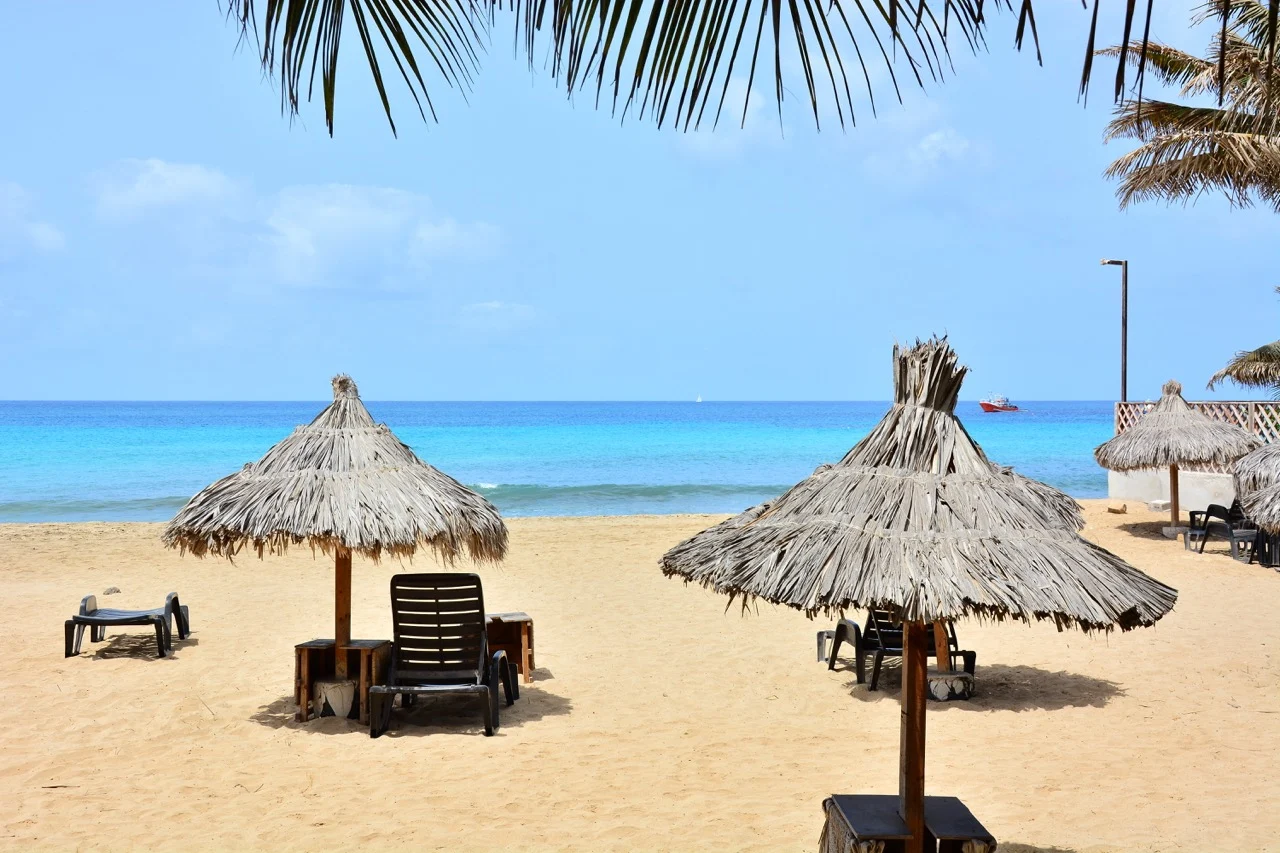
4. Sal Island, Cape Verde instead of the Maldives
Best for: white sand, warm-water swims, simple “switch off” breaks, water sports Want that Maldives reset, sun, sea, and a clean itinerary, but with a more accessible format? Crave highlights Sal Island in Cape Verde as a warm-weather, beach-forward alternative that suits couples and groups alike.
How to plan it
Keep it minimal: beach days, one or two excursions, and plenty of breathing room.
Official Sal tourism portal
Cape Verde official tourism portal
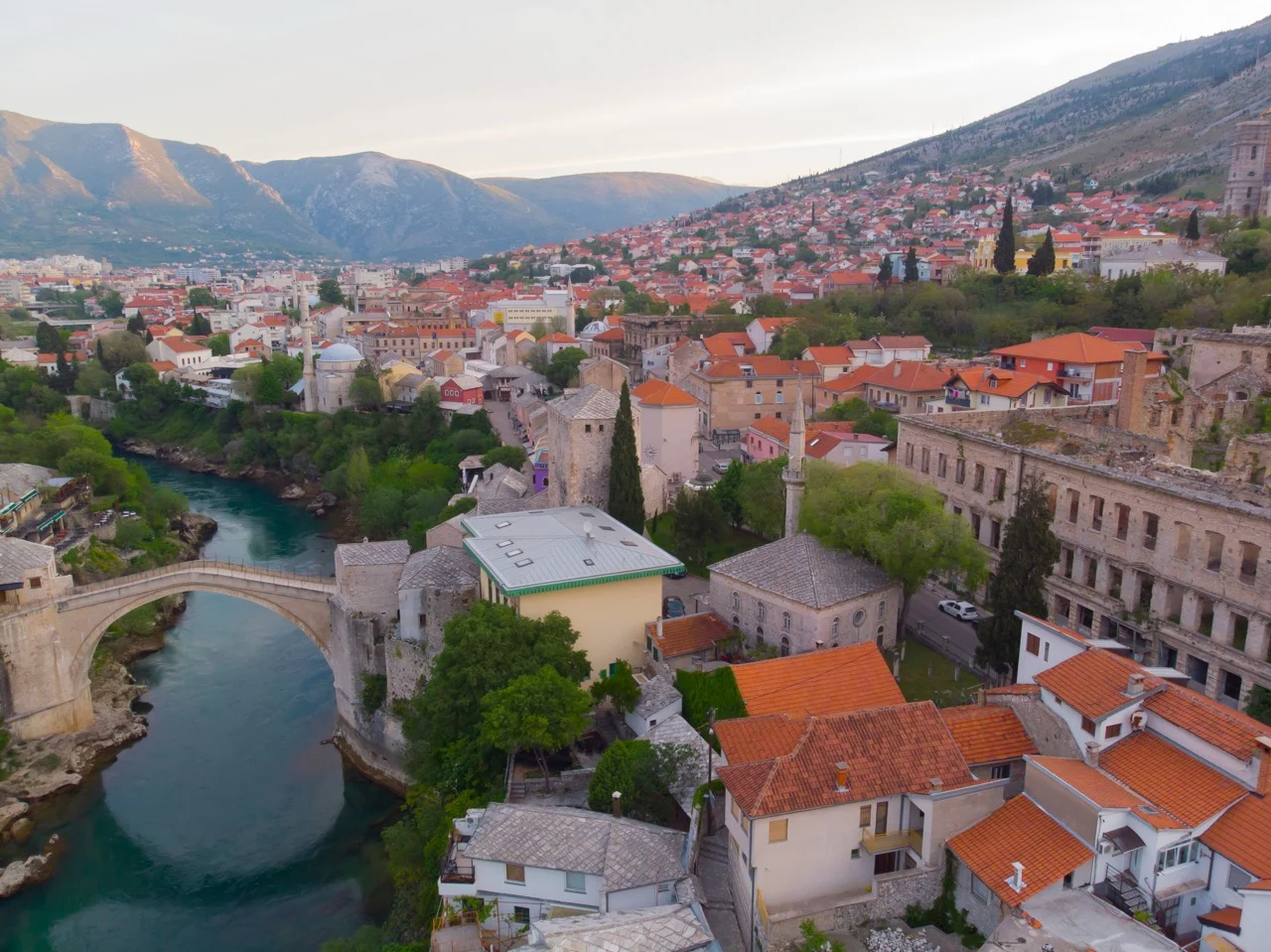
5. Mostar & Sarajevo, Bosnia & Herzegovina instead of Venice, Italy
Best for: riverside atmosphere, café culture, layered history, slower sightseeing For travellers drawn to Venice’s romance and heritage, Crave points to Mostar and Sarajevo: riverside settings, architectural detail, and a strong sense of place, often with a calmer pace that makes wandering feel like the point again.
How to plan it
Pair the two: Mostar for iconic scenery + riverside walks; Sarajevo for culture, cafés, and museums.
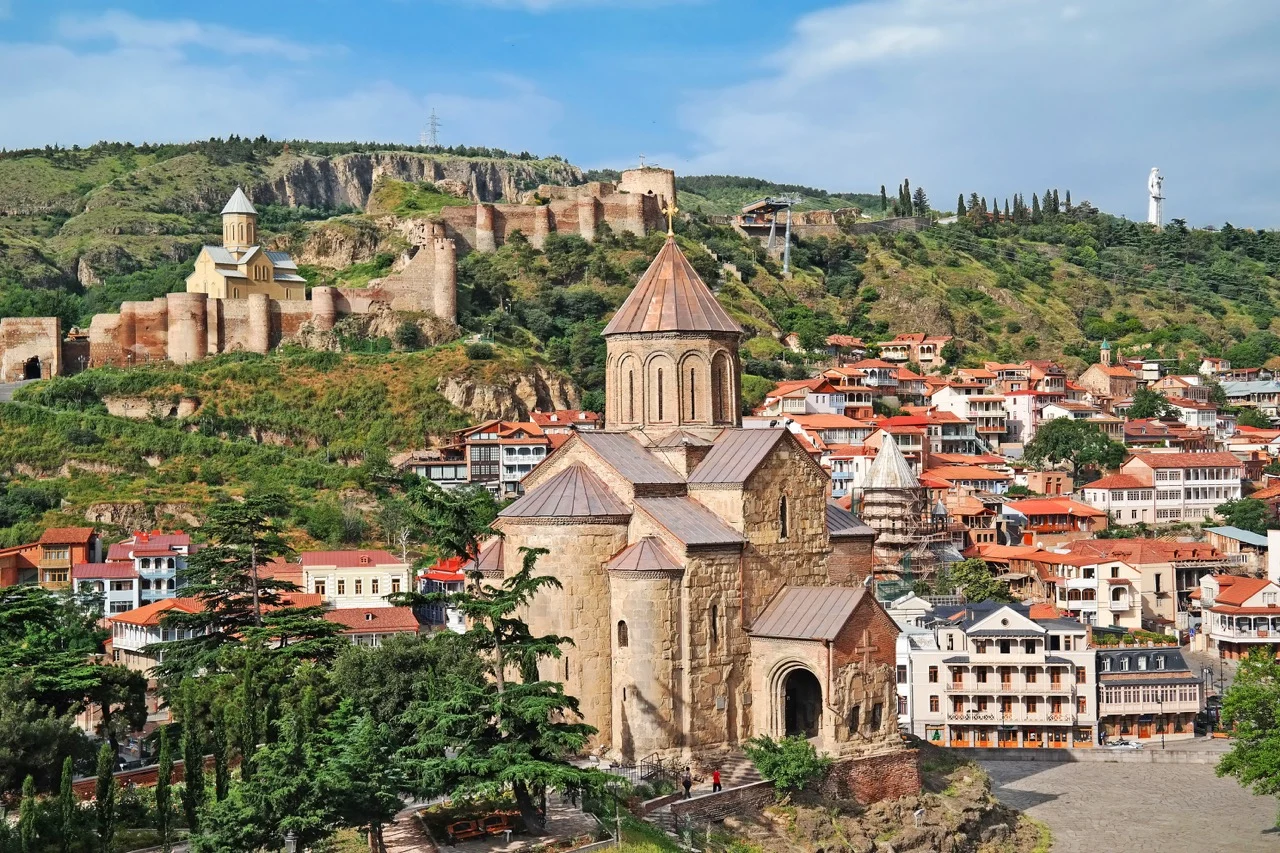
6. Tbilisi & Kakheti, Georgia instead of Tuscany, Italy
Best for: vineyard landscapes, long lunches, boutique hospitality, “slow luxury” If Tuscany is your ideal, vineyards, food, scenery, tasting rooms, Crave highlights Tbilisi + Kakheti as the dupe that still delivers a wine-led escape, with a design-forward food scene in the capital and winery stays in the region.
How to plan it
Replicate the Tuscany rhythm: a few city days for restaurants + galleries, then countryside for tastings and downtime.
Kakheti official region guide
In 2026, Value Is a Feeling, Not a Postcode
Crave’s coverage positions destination dupes as a practical response to rising costs but the bigger point is behavioural: travellers are keeping aspiration, changing execution.
Dragonpass-commissioned insights in the piece underline that younger travellers are actively looking for emerging/trending destinations, while a meaningful share of the public is travelling with tighter budget ceilings. That’s exactly the environment where dupes thrive: they allow travellers to preserve the “headline” experience without surrendering the rest of the trip to compromise.
And perhaps most telling of all, the holiday doesn’t start at the hotel anymore, it starts at the airport. With the right planning and the right tools to make time in-terminal smoother and more comfortable, the journey can feel like part of the experience, not a hurdle before it. When travel feels better from the very first step, travelling more often suddenly feels a lot easier.